
How to Prepare a Balanced Afternoon Tea: A Step-by-Step Guide to Perfect Pairings
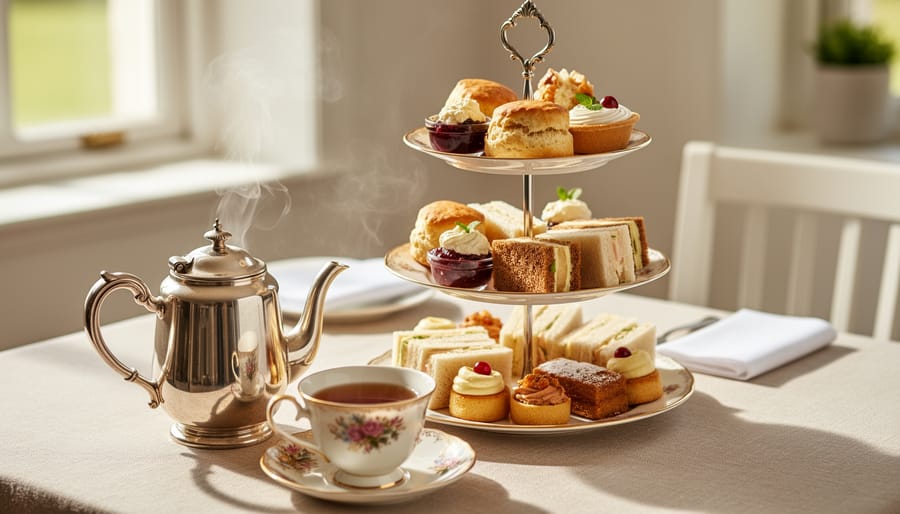
Creating a balanced afternoon tea means achieving harmony between your chosen tea and the accompanying foods so that each element enhances rather than overwhelms the other. The secret lies in matching flavor intensity, managing sweetness levels, and coordinating tannin content with the richness of your foods. A properly balanced afternoon tea takes approximately 30 minutes to prepare once you understand the fundamental pairing principles, though planning your menu may require additional time for first-time hosts.
The concept emerged from the British tradition of afternoon tea in the 1840s, but tea masters across cultures have long understood that the right beverage pairing transforms a simple snack into a memorable sensory experience. When Lady Anna Maria Stanhope introduced afternoon tea to English society, the practice centered on light, complementary foods that wouldn’t compete with delicate tea flavors. That same philosophy guides us today, whether you’re serving a traditional English spread or incorporating global influences.
Tea sommelier Sarah Chen, who trains hospitality professionals in London and Hong Kong, explains that many hosts focus solely on food presentation while treating tea as an afterthought. “The tea should be your anchor,” she notes. “Choose your tea first based on the time of day and your guests’ preferences, then build your food selections around its specific characteristics.”
This guide walks you through the essential steps to create that perfect balance, from selecting complementary teas and foods to timing your service for optimal freshness and flavor.
What Makes an Afternoon Tea ‘Balanced’
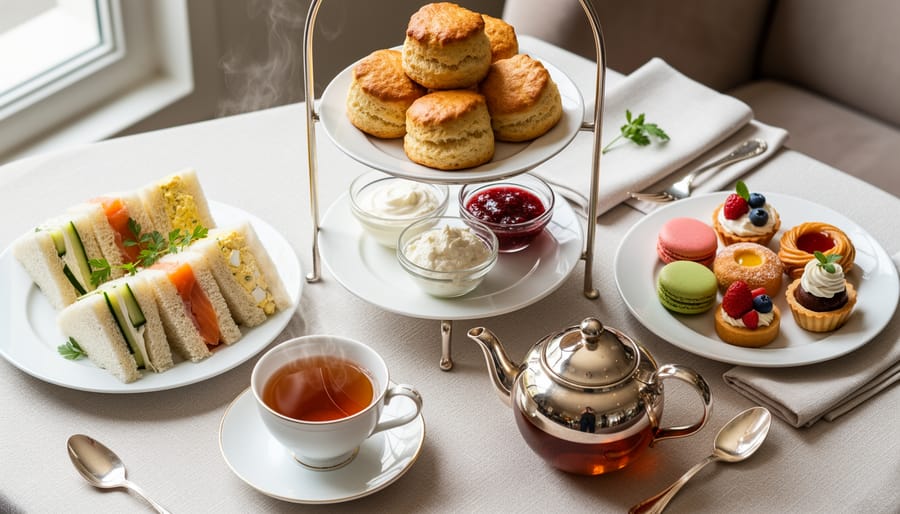
Balance in afternoon tea goes beyond simply serving tea with food, it’s about creating a complete sensory experience where each element enhances rather than overwhelms the others. When properly balanced, your afternoon tea becomes a conversation between delicate flavors, varied textures, and complementary nutritional elements.
Flavor Harmony
The foundation of balance lies in how flavors interact across your spread. Your tea should serve as the unifying thread, with food selections that echo or contrast its notes without competing. If you’re pouring a bright Darjeeling, crisp cucumber sandwiches and light lemon pastries work in harmony. A robust Assam, however, calls for richer fillings like egg salad or chocolate-based sweets. The key is avoiding flavor fatigue, alternating between savory and sweet courses lets your palate reset between bites.
Tea sommelier Mei Lin explains that true balance means “tasting the tea throughout the entire service, not just at the beginning. Each food should make you want to return to your cup, creating a rhythm rather than a progression that leaves the tea behind.”
Textural Variety
Balance extends to how foods feel in your mouth. A successful afternoon tea offers contrast: the crisp snap of cucumber against soft bread, fluffy scone interiors meeting crumbly exteriors, smooth clotted cream alongside crunchy pastry. This textural diversity prevents monotony and keeps each course interesting. Much like understanding herbal tea benefits requires recognizing how different components work together, textural balance creates a more complete experience.
Nutritional Consideration
While afternoon tea is indulgent, balance means including lighter elements alongside richer ones. Vegetable-based sandwiches provide freshness against buttery scones, fruit garnishes add vitamins and brightness to cream-heavy desserts. This approach ensures guests leave satisfied rather than uncomfortably full, making the experience pleasurable from first sip to last bite.
Essential Tools and Materials
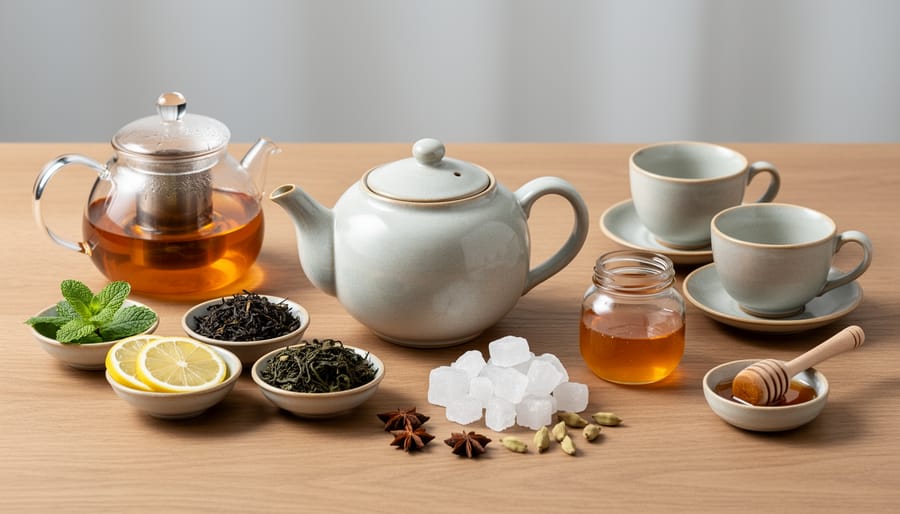
Setting up a balanced afternoon tea requires more equipment than you might expect, but each piece plays a role in creating that seamless experience where tea and food harmonize rather than clash. Having everything ready before you begin prevents mid-preparation scrambles and ensures proper timing.
Your teaware forms the foundation. A proper teapot, whether ceramic, glass, or cast iron, controls brewing temperature and allows leaves room to unfold fully. A fine-mesh strainer catches loose leaves without over-steeping, while teacups should hold enough volume (6-8 ounces) to appreciate the tea without constant refills. Matching saucers aren’t purely decorative; they catch drips and provide a resting spot for spoons.
For presentation and serving, the three-tier stand remains the classic choice because it organizes your offerings visually and keeps flavors from mingling. Don’t have one? A tiered cake stand works, or even separate plates at different heights, balance is about thoughtful arrangement, not expensive equipment. You’ll also need small serving plates, napkins (cloth if possible), and individual side plates for your guests.
Preparation equipment varies by ambition level. At minimum, gather:
- Mixing bowls for preparing fillings and toppings
- Sharp knife for trimming sandwich crusts and achieving clean cuts
- Pastry brush for glazing scones or applying butter
- Cooling racks if baking fresh items
- Small spreaders or butter knives for clotted cream and preserves
- Kitchen timer to track brewing and baking precisely
These tools matter because afternoon tea demands precision, unevenly cut sandwiches or over-steeped tea disrupts the careful balance you’re building.
Your ingredients divide into four categories: loose-leaf tea (your anchor choice plus perhaps a backup), savory components (bread, fillings like cucumber, smoked salmon, egg salad), sweet elements (scones, pastries, perhaps small cakes), and accompaniments (clotted cream, preserves, lemon slices, fresh herbs for garnish). Quality ingredients elevate the entire experience, so source the best tea and freshest produce your budget allows.
Important Considerations Before You Begin

Before you assemble your afternoon tea, a few critical considerations will ensure both safety and quality in your final presentation.
Temperature control makes or breaks an afternoon tea. Dairy-based components, clotted cream, butter cream fillings, cream cheese spreads, must stay below 40°F until service. Once plated, the entire spread should be consumed within two hours at room temperature. If your gathering runs longer, consider refreshing the tiers rather than leaving everything out from the start.
Timing your preparation strategically prevents last-minute chaos. Scones are best baked the morning of your tea (or frozen weeks ahead and reheated), while most sandwich fillings can be prepared the night before and assembled two hours prior to serving. Delicate items like meringues or fragile pastries need same-day attention, but sturdy biscuits and certain cakes actually improve with a day’s rest as flavors meld.
Seasonal ingredients aren’t just about freshness, they affect structural integrity too. Summer berries look gorgeous but can weep moisture into pastries, so add them close to service time. Winter citrus holds up better, and autumn stone fruits can be prepared further in advance. Consider your kitchen’s ambient temperature: buttercream fillings that work beautifully in January may slide off cakes in July without refrigerated staging.
Step-by-Step: Building Your Balanced Afternoon Tea
Step 1: Select Your Tea Foundation
The tea you choose sets the flavor foundation for your entire afternoon spread. Think of it as the thread that ties everything together, your food selections should complement, not compete with, your tea’s character.
Classic Earl Grey works beautifully with citrus-forward sweets and delicate cucumber sandwiches. Its bergamot notes create a bridge between savory and sweet courses. Brew for 3-4 minutes to achieve that signature perfume without bitterness.
Darjeeling brings muscatel sweetness and floral complexity, pairing perfectly with lighter fare, smoked salmon, fruit-based pastries, and scones with berry preserves. This “champagne of teas” needs just 3 minutes of steeping to preserve its delicate character.
Assam offers robust, malty depth that stands up to richer foods. Its full body complements egg salad sandwiches, clotted cream, and chocolate desserts. Brew for 4-5 minutes and don’t be afraid to add milk, Assam’s strength can handle it.
Start your timing when the water first hits the leaves. If you’re serving multiple cups over an extended period, brew fresh batches rather than letting tea sit and grow bitter. Your tea’s strength will dictate everything else you build.
Step 2: Plan Your Savory Tier
The savory tier forms your afternoon tea’s foundation, traditionally occupying the bottom level of your stand. Plan for three to four sandwich varieties per person, each cut into delicate fingers or triangles with crusts removed.
Start with a classic cucumber and cream cheese sandwich, its cool, mild flavor cleanses the palate between sips of tea. Pair this with smoked salmon and dill on brown bread for richness and textural contrast. Add an egg mayonnaise filling for creamy protein, and consider a light chicken salad with tarragon to round out your selection.
Match fillings to your tea choice. Robust Assam handles stronger flavors like aged cheddar or roast beef, while delicate Darjeeling pairs better with subtle cucumber or watercress. Earl Grey’s bergamot complements citrus-touched fillings like lemon-herb chicken.
Achieve balance through variety: pair creamy fillings with crisp vegetables, alternate white and whole grain breads, and include both cold and room-temperature options. Each sandwich should be two modest bites, substantial enough to satisfy without overwhelming the tea’s delicate notes. Prepare sandwiches no more than two hours before serving, covering them with damp tea towels to prevent drying.
Step 3: Create the Scone Course
Scones serve as the palate cleanser between savory and sweet tiers, making their preparation crucial for maintaining balance. Whether you’re baking from scratch or selecting quality premade scones, aim for a tender, slightly crumbly texture that’s neither too dense nor cakey.
For homemade scones, handle the dough minimally to preserve lightness. The ideal scone should split easily horizontally, revealing a fluffy interior that provides contrast to crisp sandwiches and delicate pastries. Classic plain scones work universally, though subtle variations like cranberry or lemon zest can echo flavors in your sweet tier without competing.
Temperature matters significantly here. Serve scones warm or at room temperature, never cold, which deadens their texture and flavor. Split each scone and present with clotted cream and preserves on the side, allowing guests to customize richness. Traditional strawberry preserve pairs beautifully with most teas, while raspberry or apricot can complement floral varieties like Darjeeling.
The scone course should feel substantial enough to anchor the middle tier yet remain light enough that guests eagerly anticipate the sweets to follow.
Step 4: Design Your Sweet Tier
Start with three to four small pastries or desserts that offer distinct flavor profiles without overwhelming your chosen tea. Select one fruit-based option, lemon tart, berry tartlet, or passion fruit macaron, to provide brightness and acidity that refreshes the palate. Add a chocolate element such as a mini éclair or chocolate truffle, keeping it modest in size so the cocoa complements rather than dominates. Include something delicate and floral, perhaps a rose petal cake or lavender shortbread, which echoes the subtle notes in many quality teas.
Balance richness carefully. If your scones are particularly buttery, lean toward lighter sweets. Conversely, plain scones allow for richer desserts. Vary textures across your selections: pair something creamy with something crisp, something dense with something airy.
Size matters significantly. Each sweet should be two or three bites maximum. Guests should finish their tea and sweets simultaneously, not abandon half-drunk cups because cloying desserts have coated their palate. When arranging the tier, place the most delicate items where they won’t get crushed, and consider color contrast to make the presentation appealing without requiring elaborate garnishes that add unnecessary sweetness.
Step 5: Brew and Serve Properly
With your food tiers prepared and arranged, timing becomes critical. Start brewing your tea 5-10 minutes before you plan to sit down, this ensures the tea reaches ideal strength without over-steeping while your scones remain warm and sandwiches fresh.
Heat your teapot by rinsing it with boiling water, then discard. Measure loose-leaf tea using one teaspoon per cup plus one for the pot, adjusting for your chosen variety. Pour water at the correct brewing temperature over the leaves, boiling for black teas, slightly cooler for green or brewing oolong tea. Set a timer rather than guessing; three to five minutes typically works for black tea, but check your specific variety.
While the tea steeps, do a final temperature check on your food. Scones should still feel warm to the touch. If sandwiches have been refrigerated, let them sit at room temperature for 10 minutes before serving, cold fillings dull flavors and create an unpleasant contrast with hot tea.
Assemble your three-tier stand now, placing savories on the bottom, scones in the middle, and sweets on top. Pour the first cups of tea through a strainer, filling each two-thirds full to allow room for milk or lemon. Bring everything to the table together so your guests experience each element at its peak. The tea’s warmth, the scone’s tender crumb, and the delicate sandwich fillings should all arrive in harmony, not in stages.
Testing Your Balance: How to Know You’ve Succeeded
After you’ve plated your afternoon tea and poured the first cup, take a moment to evaluate the overall experience. A truly balanced afternoon tea reveals itself through specific sensory cues that you can check for.
Start by tasting each tier alongside your tea. The savory sandwiches should refresh rather than coat your palate, allowing the tea’s flavor to shine through with each sip. Your scone with its accompaniments should transition you naturally from savory to sweet without jarring your taste buds. The sweet tier should feel like a complement to your tea, not a sugar rush that overpowers those delicate leaves you carefully brewed.
Watch for these red flags that signal imbalance: if you’re reaching for water between bites, something’s too salty or sweet. If your tea tastes thin or bland after eating, you’ve gone too heavy on competing flavors. If you feel stuffed halfway through or everything tastes samey, your portions or variety need adjustment.
Good balance means you finish feeling satisfied but not overfull, with a pleasant aftertaste that makes you want another sip of tea. Each element should stand out when you focus on it, yet nothing dominates the experience. You’ve succeeded when guests naturally pause between items to appreciate their tea rather than gulping it down as a beverage.
For your next preparation, keep notes on what worked. Did the lemon curd tart pair perfectly with your Earl Grey? Write it down. Too much cheese in the sandwiches? Dial it back next time.
Seasonal and Cultural Variations
The principles of balance adapt beautifully across seasons and cultures, each bringing distinct perspectives on harmony. In spring, British tradition lightens the spread with cucumber sandwiches and lemon curd tarts, while Japanese-inspired afternoon teas might incorporate sakura (cherry blossom) flavors and matcha sweets alongside delicate sencha. Summer calls for refreshing elements, think cucumber and mint combinations, berry-forward desserts, and iced tea preparations that still honor the hot-cold balance.
Autumn transforms the table with warming spices: Chinese tea masters pair oolong with roasted nut pastries and sweet potato treats, creating deeper, earthier harmonies. British autumn spreads lean into apple, pear, and cinnamon notes. Winter afternoon teas become richer across traditions, Indian chai-inspired elements (cardamom, ginger) balance heartier savories, while British Christmas teas feature mince pies and fruitcake alongside robust Assam.
Tea expert Mei Lin notes that Asian tea cultures often emphasize subtle sweetness and umami elements in their savories, creating balance through nuance rather than contrast. A Taiwanese afternoon tea might pair high-mountain oolong with pineapple cakes and tea eggs, sweet and savory elements that echo rather than compete with the tea’s mineral notes. Modern fusion approaches blend these traditions: a London tearoom might serve traditional scones alongside Asian-inspired pastries like black sesame macarons, proving that balance transcends cultural boundaries when you understand the underlying principles.
Common Questions About Balanced Afternoon Tea
Can I prepare everything in advance?
You can prepare most components 24 hours ahead: sandwiches (wrapped tightly in damp kitchen towel and refrigerated), scones (baked and stored airtight, then warmed before serving), and many sweets like tarts or cakes. Brew the tea fresh just before serving, and slice cucumbers or add delicate garnishes at the last moment to maintain crispness.
How do I maintain balance when accommodating dietary restrictions?
Replace rather than remove: swap cream cheese for dairy-free alternatives in sandwiches, use gluten-free flour for scones, and ensure each tier still offers variety in flavors and textures. The key is substituting thoughtfully so guests still experience the sweet-savory-scone structure with complementary tastes.
What’s the proper tea-to-food ratio?
Plan for each guest to drink two to three cups of tea throughout the sitting. Brew your first pot strong enough to withstand milk or lemon, and have a second pot or hot water ready for those who prefer lighter subsequent cups as they move from savory to sweet courses.
How many people does a standard afternoon tea serve?
A traditional three-tier stand serves two people comfortably, with three to four sandwiches, two scones, and three to four pastries per person. For larger gatherings, plan multiple stands or platters rather than overcrowding a single presentation.
What should I do with leftovers?
Sandwiches rarely keep well beyond four hours. Scones can be frozen and reheated, while most pastries stay fresh for a day in an airtight container. Leftover brewed tea loses its balance quickly, better to brew fresh next time rather than save it.
If you’re looking to experiment beyond traditional British pairings, consider how Chinese herbal blends can anchor an afternoon tea with different flavor profiles, requiring adjustments to your sweet and savory selections to complement their distinct characteristics. The principles of balance remain the same, you’re simply working with a different flavor foundation that may call for lighter sweets or more aromatic savory elements.
Creating a balanced afternoon tea isn’t about following rigid rules, it’s about understanding harmony and making it your own. Once you grasp how flavors, textures, and tea strength interact, you’ll find endless ways to compose an afternoon tea that delights your guests and honors the tradition.
Don’t hesitate to experiment with your pairings. Swap Earl Grey for a bold Assam, try savory tarts instead of traditional sandwiches, or incorporate seasonal ingredients that speak to you. The core principles remain constant: variety without chaos, flavors that enhance rather than compete, and tea that ties everything together.
As you refine your technique, consider exploring quality teaware and accessories that elevate the experience. Our shopping section features carefully selected tools that make preparation easier and presentation more elegant.
Your afternoon tea journey doesn’t end here. Dive deeper into the world of tea by discovering Canadian tea brands that bring exceptional quality to your table, or explore our other guides on brewing techniques and tea culture. Each cup offers a new opportunity to learn, taste, and share.