What Are Herbal Tea Health Benefits (and How Do They Work)?
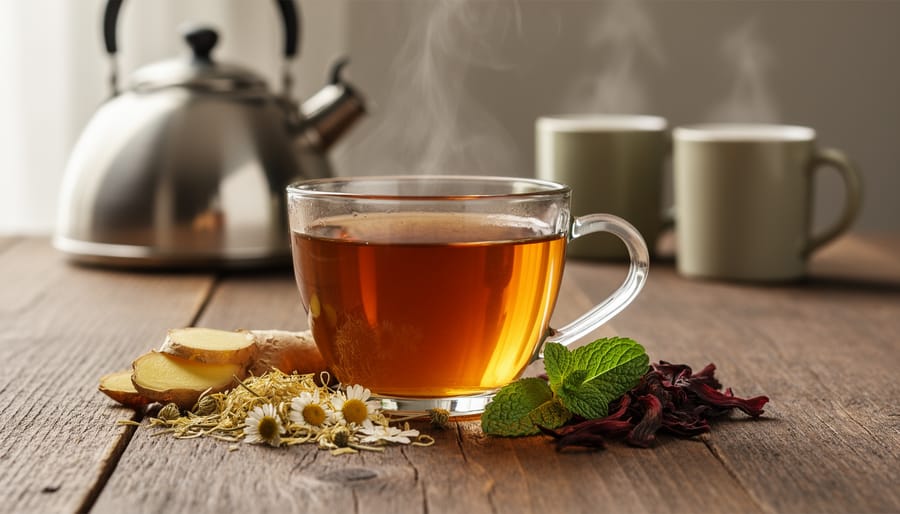
Herbal teas are infusions made from dried fruits, flowers, spices, or herbs that offer a range of health benefits, from supporting digestion and immune function to reducing stress and inflammation, though they contain no actual tea leaves from the Camellia sinensis plant.
For centuries, cultures around the world have turned to these botanical brews not just for their comforting warmth and complex flavors, but for their medicinal properties. What traditional healers knew instinctively, modern science is now validating through research into the bioactive compounds found in chamomile, peppermint, ginger, hibiscus, and dozens of other plants we steep in our cups.
The appeal of herbal teas has grown significantly in recent years, particularly among people seeking natural approaches to wellness. Unlike pharmaceutical interventions, these plant-based infusions work gently with your body’s systems, often providing multiple benefits from a single cup. A ginger tea might ease nausea while reducing inflammation. Chamomile can calm both an anxious mind and an upset stomach.
But understanding herbal tea benefits means going beyond the marketing claims on pretty packaging. You need to know which herbs actually deliver on their promises, how to brew them properly to extract their beneficial compounds, and when caution is warranted. Some herbal teas interact with medications. Others aren’t suitable during pregnancy or for people with certain health conditions.
This guide walks you through the science behind why herbal teas work, breaks down the specific benefits of different varieties, and gives you practical brewing techniques to maximize what you’re getting from every steep.
Understanding Herbal Tea Health Benefits
Understanding Herbal Tea Health Benefits
When we talk about herbal tea health benefits, we’re referring to the specific wellness effects produced by drinking infusions made from dried herbs, flowers, roots, seeds, or fruits, not from the traditional Camellia sinensis tea plant. While terms like “herbal tea” are commonly used, these beverages are technically tisanes or herbal infusions, distinct from true teas like green, black, or oolong varieties that come from tea leaves.
The distinction matters because herbal infusions contain entirely different compounds than true teas. While Camellia sinensis teas deliver caffeine and specific polyphenols like EGCG, herbal infusions offer their own unique arrays of beneficial substances. A chamomile infusion works through entirely different mechanisms than a cup of green tea, even though both deliver health benefits.
- Herbal Infusion
- A beverage created by steeping plant materials other than Camellia sinensis leaves in hot water, extracting beneficial compounds without caffeine.
- Tisane
- The precise term for what we commonly call “herbal tea”, any hot water infusion of herbs, spices, flowers, or fruits.
- Bioactive Compounds
- Naturally occurring chemicals in plants that interact with the human body to produce physiological effects, including antioxidants, volatile oils, and phenolic compounds.
- Adaptogen
- A plant substance that helps the body adapt to stress and restore balance, such as holy basil or ashwagandha.
- Volatile Oils
- Aromatic compounds in herbs that provide both scent and therapeutic properties, often responsible for digestive and calming effects.
These bioactive compounds are the foundation of herbal tea health benefits. When you steep peppermint leaves, you’re extracting menthol and rosmarinic acid. A hibiscus infusion releases anthocyanins and organic acids. Each herb contains its own signature combination of beneficial substances that have evolved in the plant for various purposes, protection from pests, UV radiation defense, or attracting pollinators, but which happen to interact positively with human physiology.
The health benefits we experience depend entirely on which bioactive compounds are present in a particular herb and how effectively we extract them through proper brewing.
How Herbal Tea Benefits Work in Your Body
The Science of Bioactive Compounds
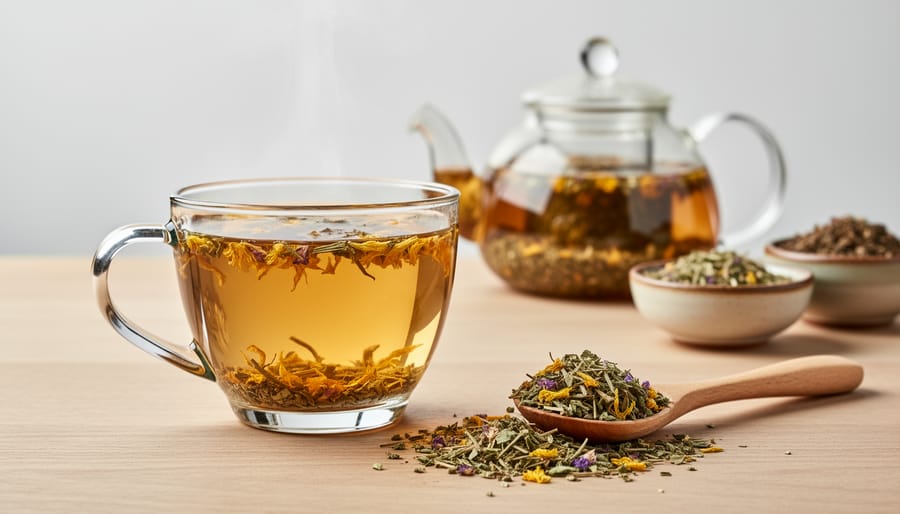
When you sip chamomile or peppermint tea, you’re not just enjoying flavour. You’re consuming a complex cocktail of plant chemicals that interact with your body in measurable ways.
Polyphenols form the largest group of bioactive herbal tea compounds. These molecules act as antioxidants, neutralising free radicals that damage cells. Rooibos contains aspalathin and nothofagin, unique polyphenols that reduce oxidative stress. Hibiscus delivers anthocyanins, the same compounds that give berries their colour and cardiovascular benefits.
Flavonoids, a subclass of polyphenols, work differently. Apigenin in chamomile binds to receptors in your brain that promote relaxation. Quercetin, found in elder flower and nettle, modulates immune responses and reduces inflammation markers in the bloodstream.
Essential oils contribute more than aroma. Menthol in peppermint relaxes smooth muscle in your digestive tract, easing cramping. Linalool and linalyl acetate in lavender affect neurotransmitter activity, which explains their calming effects. These volatile compounds are delicate; they evaporate quickly when exposed to heat or air.
The concentration of these compounds varies wildly between plants and harvests. A single herb might contain dozens of active molecules working synergistically. Ginger, for instance, combines gingerols (anti-inflammatory), shogaols (digestive stimulants), and zingerone (antioxidant). This chemical complexity makes herbal teas fascinating but difficult to study with the same precision as isolated pharmaceuticals.
Absorption and Effectiveness
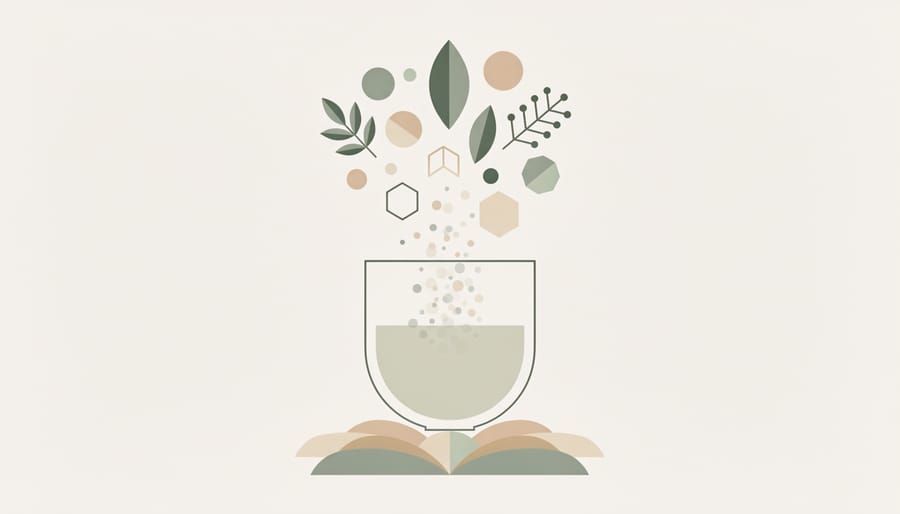
Getting the most from your herbal tea isn’t just about choosing the right herbs, it’s about how you prepare them. The bioavailability of beneficial compounds varies dramatically based on water temperature, steeping duration, and even the vessel you use.
Water temperature plays a crucial role in extraction efficiency. Delicate flowers like chamomile and lavender release their essential oils best between 200-205°F, just below boiling. Roots and bark, think ginger or cinnamon, demand full boiling water to break down their dense cellular structure and release deeper compounds. Using water that’s too cool leaves beneficial molecules locked inside plant material, while excessively hot water can destroy heat-sensitive vitamins and volatile oils that provide therapeutic effects.
Steeping time equally affects what ends up in your cup. Most herbal infusions reach optimal extraction between 5-10 minutes, but longer doesn’t always mean better. Peppermint yields its menthol compounds fully within 7 minutes, while dried rosehips need 12-15 minutes to release their vitamin C reserves. Over-steeping certain herbs like hibiscus can create excessive tannins that interfere with iron absorption.
Covering your cup while steeping matters more than you might think. Those aromatic compounds escaping as steam carry therapeutic essential oils with them. A simple lid traps volatile molecules, increasing the concentration of active compounds by up to 30% in some infusions. This small detail transforms a pleasant beverage into a more effective wellness tool.
Types of Herbal Teas and Their Specific Health Benefits
Digestive Support Herbs
Peppermint stands as perhaps the most recognized digestive herb, with menthol compounds that relax smooth muscle tissue in the digestive tract. This antispasmodic action helps ease bloating, gas, and the cramping associated with irritable bowel syndrome. Traditional herbalists have recommended peppermint after meals for centuries, and modern research confirms its effectiveness in reducing indigestion symptoms within 30 minutes of consumption.
Ginger contains gingerols and shogaols, powerful compounds that stimulate digestive enzyme production and accelerate gastric emptying. It’s particularly effective against nausea, whether from motion sickness, morning sickness, or post-surgical recovery. A cup of fresh ginger tea before travel or during early pregnancy can settle the stomach without pharmaceutical intervention.
Fennel seeds yield an aromatic tea that addresses both upper and lower digestive complaints. The volatile oils, particularly anethole, have carminative properties that expel gas and reduce abdominal distension. In Mediterranean and Middle Eastern cultures, fennel tea traditionally follows heavy meals to prevent that uncomfortable stuffed feeling.
Chamomile offers gentler digestive support through apigenin and other flavonoids that calm intestinal inflammation and reduce stress-related digestive upset. It works especially well when digestive issues stem from tension or anxiety, addressing both the physical symptoms and their emotional triggers.
Calming and Sleep-Promoting Herbs
Chamomile stands as perhaps the most recognizable sleep aid in the herbal tea world, and for good reason. This daisy-like flower contains apigenin, a flavonoid that binds to benzodiazepine receptors in your brain, the same receptors targeted by some prescription sleep medications, though with gentler effects. When you sip chamomile tea about 30-60 minutes before bed, you’re introducing compounds that actively reduce anxiety and initiate drowsiness.
Lavender brings both aromatic and ingested benefits to sleep quality. While many people know lavender for its scent, drinking lavender tea delivers linalool and linalyl acetate directly into your system. These compounds have demonstrated sedative properties in clinical studies, slowing nervous system activity and reducing cortisol levels.
Valerian root takes a more robust approach. This earthy, somewhat pungent herb increases GABA (gamma-aminobutyric acid) availability in your brain, an inhibitory neurotransmitter that tells your nervous system to calm down. Tea masters in Europe have recommended valerian for centuries, particularly for people whose minds race at night.
Passionflower rounds out this category with dual action, it boosts GABA like valerian while also containing harmala alkaloids that contribute to its calming effect. Indigenous cultures in the Americas recognized its sedative properties long before Western herbalists adopted it. The combination works especially well for anxiety-related sleep disturbances rather than simple fatigue.

Immune-Boosting Herbs
Four herbs stand out when it comes to fortifying your body’s natural defenses, each bringing unique compounds to support immune resilience.
Echinacea has earned its reputation as a go-to during cold season. This purple coneflower contains alkamides and polysaccharides that appear to stimulate white blood cell activity. Research on echinacea and common cold suggests it may reduce severity and duration when taken at the first sign of symptoms. Brew it strong, a teaspoon of dried root steeped for 10 minutes delivers the most potent extract.
Elderberry brings deep purple pigments packed with anthocyanins, antioxidants that support respiratory health. Traditional European herbalists have relied on it for generations during winter months. The berries work best when combined with warming spices like cinnamon or ginger.
Rosehip offers one of nature’s richest vitamin C concentrations, along with bioflavonoids that enhance absorption. These tangy hips contain 20 times more vitamin C than oranges by weight. Crush them slightly before steeping to release more nutrients.
Hibiscus contributes vitamin C and quercetin, an antioxidant that supports overall immune function. Its tart, cranberry-like flavor makes it refreshing both hot and iced. Many herbalists combine these four herbs, creating synergistic blends that address immunity from multiple angles.
Anti-Inflammatory and Antioxidant Herbs
Turmeric stands as one of the most researched anti-inflammatory herbs available today, thanks to its active compound curcumin. This bright golden spice contains curcuminoids that inhibit inflammatory pathways at the cellular level, though you’ll need black pepper or a fat source to enhance absorption when brewing it as tea. Traditional Ayurvedic practitioners have prescribed turmeric for inflammatory conditions for thousands of years.
Rooibos, a naturally caffeine-free South African herb, delivers a different antioxidant profile than true teas. It contains aspalathin and nothofagin, rare flavonoids that protect cells from oxidative damage and may help regulate blood sugar. The red bush’s smooth, slightly sweet flavor makes it approachable for daily consumption without the bitterness some antioxidant-rich teas carry.
Moringa packs an impressive nutrient density, offering vitamins A, C, and E alongside quercetin and chlorogenic acid. These compounds work together to neutralize free radicals that contribute to cellular aging. Tea professionals often recommend moringa for those seeking concentrated nutrition in their wellness routine.
Holy basil, known as tulsi in India, contains eugenol and ursolic acid that combat both inflammation and oxidative stress while supporting the body’s stress response. Many herbalists consider it an adaptogen, helping your system maintain balance during physical or emotional challenges.
Common Uses and Applications of Herbal Tea Health Benefits
Most people incorporate herbal teas into their wellness routines based on specific times of day and particular health goals. The timing of your infusion can significantly enhance its effectiveness, as different herbs align naturally with your body’s rhythms and needs throughout the day.
Morning routines often benefit from energizing yet gentle infusions like ginger, rosemary, or peppermint tea. These herbs stimulate circulation and mental clarity without the jittery effects of caffeine. In traditional Chinese medicine, practitioners have long recommended ginger tea first thing in the morning to “wake up” the digestive system, a practice that modern research suggests may indeed support metabolic function.
Throughout the day, herbal teas serve distinct purposes aligned with your body’s changing needs:
- Morning energy support with ginger, rosemary, or peppermint to gently stimulate circulation and focus
- Post-meal digestion using peppermint, fennel, or ginger within 30 minutes of eating
- Afternoon stress relief with holy basil, lemon balm, or chamomile during the 2-4 PM energy dip
- Pre-sleep wind-down with chamomile, lavender, or passionflower 30-60 minutes before bed
- Seasonal wellness support such as elderberry and echinacea during cold months or cooling hibiscus in summer
Post-meal digestive teas represent one of the most widespread applications globally. Mediterranean cultures favor fennel after heavy meals, while Indian traditions embrace cardamom and ginger chai for digestive comfort. Drinking these infusions within 30 minutes of eating allows the compounds to work alongside your digestive processes.
For stress management, adapting timing to your personal rhythm matters more than following rigid rules. Some people find a mid-afternoon cup of holy basil helps them navigate the stress peak that often hits around 3 PM, while others prefer an early evening infusion to create separation between work and rest.
Seasonal rotation represents another layer of application, particularly in cultures with strong herbal traditions. Japanese tea practitioners often shift to cooling mint blends in humid summers, while Scandinavian cultures embrace warming rosehip and elderberry infusions through dark winters. This seasonal approach aligns herbal properties with environmental stressors your body faces throughout the year.
Consistency proves more valuable than intensity. Regular, moderate consumption, typically two to three cups daily of your chosen herbs, builds cumulative benefits rather than expecting dramatic results from occasional use.
Brewing for Maximum Health Benefits
Getting the most from your herbal tea isn’t just about tossing a bag in hot water. The way you brew directly affects how many beneficial compounds make it into your cup, and tea professionals have refined techniques that maximize these health benefits.
Temperature matters more than most people realize. While boiling water works for hardy herbs like ginger or cinnamon, delicate flowers and leaves release their compounds best at lower temperatures. Chamomile and lavender, for example, yield optimal benefits at around 200°F (93°C), just below boiling. Mint leaves prefer slightly cooler water, about 190°F (88°C), to preserve their volatile oils. If you’re using a thermometer, aim for these ranges. Without one, let boiling water rest for thirty seconds before pouring.
Steeping time determines extraction depth. Most herbal infusions need five to seven minutes to fully release their bioactive compounds, significantly longer than true teas. Ginger and turmeric benefit from even longer steeps, up to ten minutes, to draw out their anti-inflammatory compounds. Don’t worry about bitterness; unlike tea leaves, most herbs won’t turn astringent with extended steeping.
Cover your cup while steeping. This simple step traps the steam, preventing essential oils from evaporating. Those aromatic compounds aren’t just for fragrance, they’re often where the therapeutic benefits live.
Use fresh, filtered water. Chlorine and other chemicals can interfere with delicate herbal flavors and potentially bind to beneficial compounds. Quality water ensures clean extraction.
Finally, measure properly. Use one heaping tablespoon of dried herbs per eight ounces of water, or double that for fresh herbs. Loose herbs generally provide better extraction than tea bags because they have more surface area exposed to water.
What the Research Says: Evidence and Expert Perspectives
The scientific community’s understanding of herbal tea health benefits has evolved considerably, with 2026 research painting a more nuanced picture than the sweeping claims often found in wellness marketing. While traditional use provides compelling historical evidence, modern studies increasingly validate specific mechanisms while clarifying limitations.
Recent systematic reviews confirm that certain herbal teas demonstrate measurable physiological effects. Chamomile’s anxiety-reducing properties, for instance, show consistent results in clinical trials, with researchers identifying apigenin as the primary compound binding to benzodiazepine receptors. Similarly, ginger’s effectiveness for nausea relief has robust evidence across multiple studies, particularly for pregnancy-related and chemotherapy-induced nausea.
Dr. Sarah Chen, an ethnobotanist who has spent twenty years documenting traditional herbal practices across Asia, notes an important distinction: “Traditional cultures never viewed herbs as magic bullets. They understood these plants as gentle, cumulative support for the body’s own healing processes, not pharmaceutical replacements.”
The research bears this out. Most herbal tea benefits appear with regular, sustained consumption rather than single servings. A 2025 meta-analysis found that hibiscus tea’s blood pressure reduction effects required consistent daily intake over at least six weeks to show statistical significance.
Tea master Kenji Yamamoto, who consults with wellness researchers in Japan, observes that preparation methods matter more than most studies acknowledge. “Western research often uses standardized extracts, but traditional brewing releases different compound profiles. The ritual itself, the mindful preparation, contributes to the overall benefit in ways we’re only beginning to measure.”
Current evidence supports herbal teas as complementary wellness tools rather than medical interventions. The compounds are real, the effects measurable, but expectations should remain grounded. For common concerns like occasional digestive discomfort, sleep quality, or daily stress management, research validates what traditional practitioners have long understood through observation and experience.
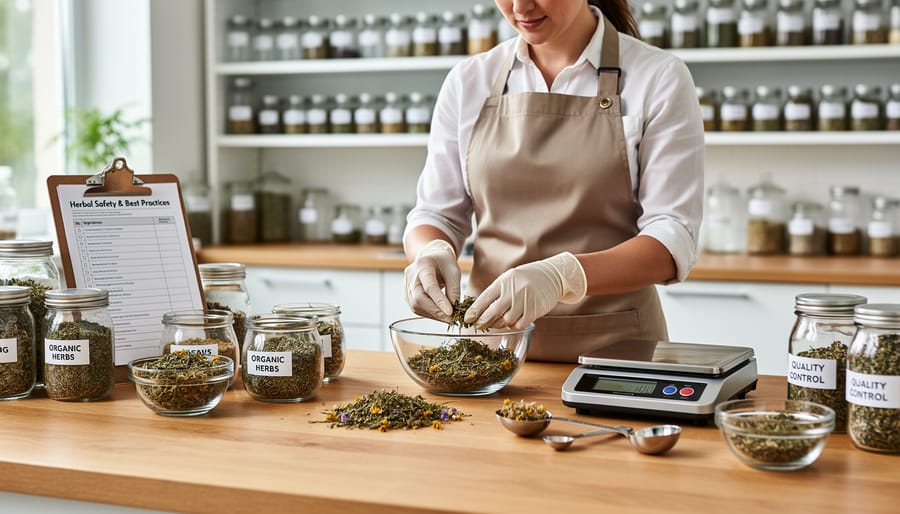
Safety Considerations and Best Practices
While herbal teas offer numerous benefits, approaching them thoughtfully ensures you get the most from your infusions without unwanted effects.
Quality Matters More Than You Think
Source your herbs from reputable suppliers who test for contaminants and pesticides. Organic certification provides an extra layer of assurance, particularly for herbs you’ll consume regularly. Store dried herbs in airtight containers away from light and moisture, oxidized herbs lose both flavor and beneficial compounds. If a tea smells musty or looks discolored, discard it.
Understanding Interactions
Some herbs interact with medications in meaningful ways. St. John’s wort, for instance, can reduce the effectiveness of birth control pills and certain antidepressants. Ginger and turmeric may amplify blood-thinning medications. If you take prescription drugs, discuss your herbal tea routine with your healthcare provider or pharmacist. They can flag potential interactions specific to your situation.
When Caution Is Warranted
Pregnant and breastfeeding individuals should exercise particular care, as certain herbs like pennyroyal and some high-dose preparations aren’t appropriate during these periods. Children process compounds differently than adults, stick to gentle options like chamomile in smaller amounts, and consult a pediatrician for guidance.
People with chronic conditions benefit from professional input before adding therapeutic amounts of herbal teas to their routines. A cup of peppermint tea is generally fine, but consuming concentrated preparations daily warrants a conversation with your doctor.
Start Gradually
Introduce one new herbal tea at a time so you can observe how your body responds. Begin with a single cup and pay attention to any digestive changes, skin reactions, or other effects. This measured approach helps you identify what works for you without creating confusion about which herb might be causing an unexpected reaction.
Frequently Asked Questions About Herbal Tea Health Benefits
Readers often have practical questions about incorporating herbal teas into their wellness routines. The timing, frequency, and methods matter just as much as choosing the right herbs. Let’s address the most common questions that tea enthusiasts and newcomers alike ask about maximizing herbal tea health benefits.
How long does it take to feel the benefits of herbal tea?
Some benefits appear immediately, peppermint soothes digestion within minutes, and chamomile’s calming effects emerge within 30 to 45 minutes. Other benefits, like improved immune function from elderberry or anti-inflammatory effects from turmeric, typically require consistent daily consumption over two to four weeks before noticeable changes occur.
Is it safe to drink herbal tea every day?
Most culinary herbs like peppermint, chamomile, ginger, and rooibos are safe for daily consumption in moderate amounts (two to three cups). However, stronger medicinal herbs like valerian root or licorice root should be cycled rather than consumed continuously, typically three weeks on followed by one week off.
Do dried herbs lose their health benefits over time?
Yes, dried herbs gradually lose potency as volatile oils evaporate and compounds degrade. Properly stored dried herbs maintain most benefits for six to twelve months, though flavour fades faster than medicinal properties. Store in airtight containers away from light and heat to preserve potency.
What’s the best time of day to drink different herbal teas?
Match herbs to your needs throughout the day: energizing ginger or peppermint works well in the morning, digestive blends after meals, and calming herbs like chamomile or lavender in the evening at least 30 minutes before bed. Immune-supporting teas can be consumed any time.
One question we hear frequently from tea enthusiasts concerns combining different herbs. You can absolutely blend herbs, and this practice often enhances both flavour and benefits. Traditional blends like digestive mixtures combining peppermint, fennel, and ginger work synergistically, with each herb supporting the others’ effects. Start with two or three compatible herbs rather than complex mixtures, and consider the combined effects, avoid mixing stimulating and sedating herbs unless you’re aiming for a balanced effect.
The question of quality versus quantity also deserves attention. A smaller amount of high-quality, properly stored herbs delivers more benefits than larger quantities of stale or poorly stored material. Fresh, vibrant colour and strong aroma indicate herbs still rich in beneficial compounds. If your chamomile looks brown rather than golden-white, or your peppermint smells musty instead of bright and minty, it’s time for fresh stock.
Many readers wonder whether loose herbs offer more benefits than tea bags. Generally, yes. Loose herbs are typically whole or larger pieces that retain more essential oils and compounds, while many commercial tea bags contain finely ground material that oxidizes faster. That said, quality pyramid sachets with whole herbs can be just as effective as loose tea, and convenience matters for building consistent habits. The best herbal tea is the one you’ll actually brew and drink regularly.
how it works
When you steep dried herbs in hot water, their bioactive compounds, the molecules responsible for health effects, dissolve and migrate into the liquid. Heat acts as the catalyst, breaking down cell walls in the plant material and releasing polyphenols, flavonoids, essential oils, and other therapeutic substances into your cup.
Once you drink the infusion, these compounds enter your digestive system. Some absorb directly through the mucous membranes in your mouth and stomach, while others move into the small intestine where they cross into your bloodstream. From there, they circulate throughout your body, interacting with various systems and cellular processes.
Different compounds work through distinct mechanisms. Antioxidants neutralize harmful free radicals that damage cells. Anti-inflammatory compounds reduce swelling and irritation by blocking specific enzymes. Some herbs contain sedative properties that influence neurotransmitters in your brain, promoting relaxation. Others stimulate mucus production in your respiratory tract or support beneficial bacteria in your gut.
The strength of these effects depends on concentration, how much of the active compound makes it into your cup and then into your system. That’s why brewing temperature, steeping duration, and herb quality matter considerably.
Types or components
When you steep herbal tea, you’re extracting several categories of compounds that work together to deliver health benefits. Understanding these components helps explain why different herbs affect your body in specific ways.
Polyphenols and flavonoids form the foundation of antioxidant activity in many herbal teas. These plant compounds neutralize free radicals and reduce oxidative stress. Rooibos contains aspalathin, while hibiscus is rich in anthocyanins, both powerful antioxidants with distinct properties.
Essential oils give herbs their characteristic aromas and therapeutic effects. Peppermint’s menthol soothes digestive discomfort, while chamomile’s bisabolol promotes relaxation. These volatile compounds are most abundant in freshly dried herbs and evaporate quickly when exposed to air.
Mucilage in herbs like marshmallow root creates a soothing coating effect on mucous membranes, making these teas particularly effective for throat irritation and digestive inflammation.
Tannins contribute astringency and have antimicrobial properties, though excessive amounts can interfere with iron absorption.
The concentration and combination of these components determine each herbal tea’s specific benefits and optimal uses.
Herbal teas offer a remarkably diverse spectrum of health benefits, from supporting digestion and promoting restful sleep to boosting immune function and reducing inflammation. What makes these caffeine-free infusions particularly valuable is their accessibility, whether you’re brewing a simple cup of chamomile before bed or preparing a carefully steeped turmeric blend for its anti-inflammatory compounds, you’re tapping into centuries of traditional wisdom now increasingly validated by modern research.
The key to experiencing these benefits lies in two fundamental practices: sourcing quality herbs and preparing them properly. Temperature and steeping time aren’t arbitrary details, they directly influence how many beneficial compounds make it into your cup. A rushed brew or low-quality herbs simply won’t deliver the same results as thoughtfully prepared infusions from reputable sources.
Start with one or two herbal teas that align with your specific wellness goals. Pay attention to how your body responds over several weeks, since many herbal benefits build gradually rather than appearing overnight. As you become more familiar with these infusions, you’ll likely find yourself drawn to explore the broader world of herbal traditions, from Ayurvedic blends to traditional Chinese formulations, each offering unique perspectives on plant-based wellness.
The journey into herbal tea health benefits is deeply personal. Your perfect daily blend might look nothing like someone else’s, and that’s exactly as it should be.