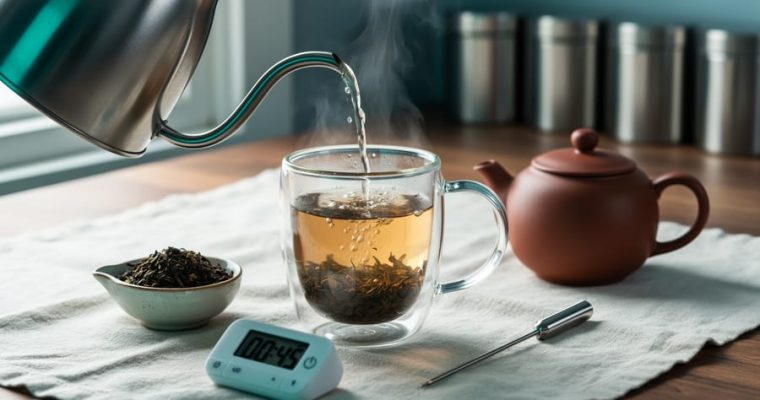
How to Do Tea Prep at Home: Water, Time, and Temperature Made Simple
Good tea prep takes about five minutes and needs only three things done right: water at the correct temperature, the right amount of leaf, and a steep…

Explore how tea is grown, crafted, and enjoyed worldwide, with country and region profiles, traditions and ceremonies, and artisan producer spotlights.
Good tea prep takes about five minutes and needs only three things done right: water at the correct temperature, the right amount of leaf, and a steep…
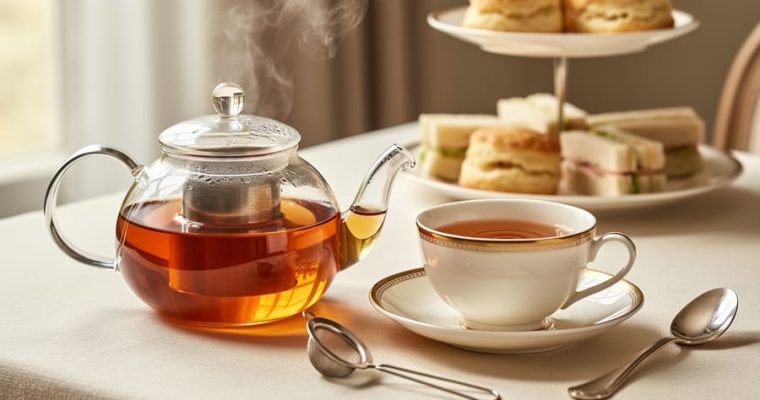
A good afternoon tea blend is light enough to sit alongside food, bright enough to wake up a flagging three o’clock, and forgiving enough that you can…
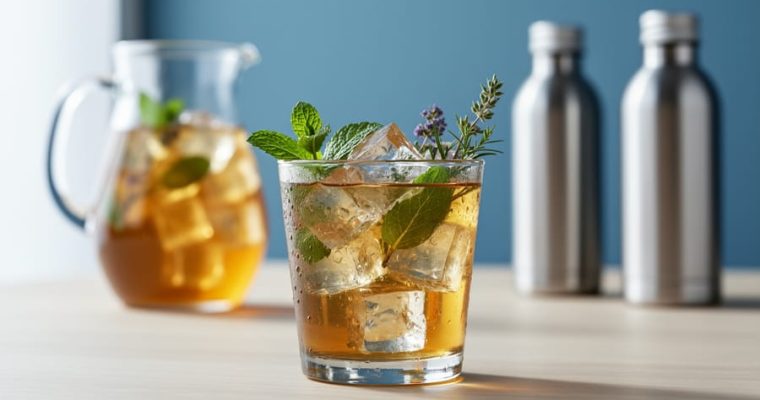
Most functional iced teas are safe for daily use when consumed as directed, but individual ingredients vary in their recommended frequency.
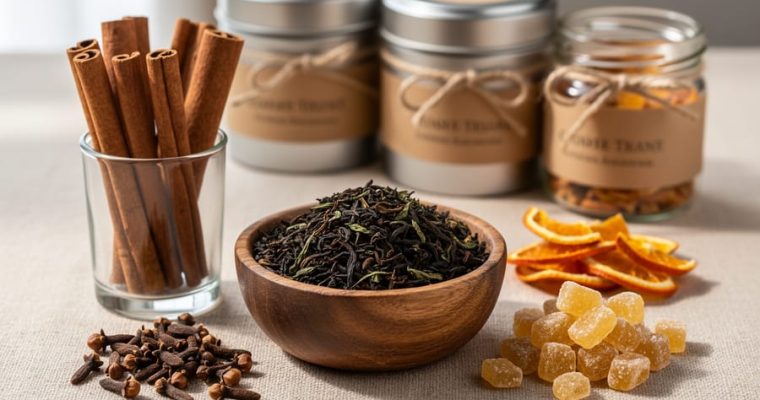
Creating holiday tea blends at home takes about 30 minutes and requires only four things: quality base tea, complementary spices and dried fruits, measuring tools, and airtight containers. The process involves selecting a black, green, or herbal foundation, layering traditional warming spices like cinnamon and clove, adjusting proportions through small-batch testing, and allowing the blend to rest for 24 to 48 hours so the flavors marry properly.
The beauty of crafting your own holiday blends lies in both control and creativity. Commercial seasonal teas often rely on artificial flavorings to deliver that festive punch, but homemade …
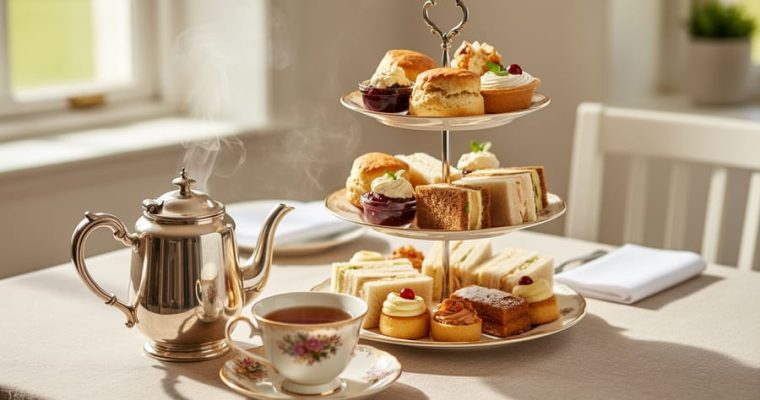
Creating a balanced afternoon tea means achieving harmony between your chosen tea and the accompanying foods so that each element enhances rather than overwhelms the other. The secret lies in matching flavor intensity, managing sweetness levels, and coordinating tannin content with the richness of your foods. A properly balanced afternoon tea takes approximately 30 minutes to prepare once you understand the fundamental pairing principles, though planning your menu may require additional time for first-time hosts.
Key Takeaway: The three pillars of a balanced afternoon tea are flavor harmony (…
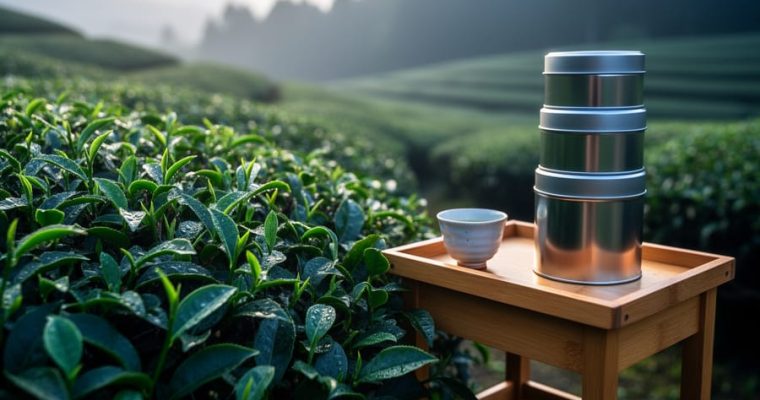
Creating your own Japanese tea blends requires understanding how cultivation techniques shape the raw materials you’ll work with. Shading, harvest timing, and processing methods directly determine whether a tea contributes sweetness, umami depth, or brisk astringency to your blend. Master blenders in Japan don’t simply mix different teas hoping for balance. They select components based on precise knowledge of how each leaf was grown, which transforms blending from guesswork into an intentional craft you can learn.
Key Takeaway: Japanese tea blending success depends on understanding…
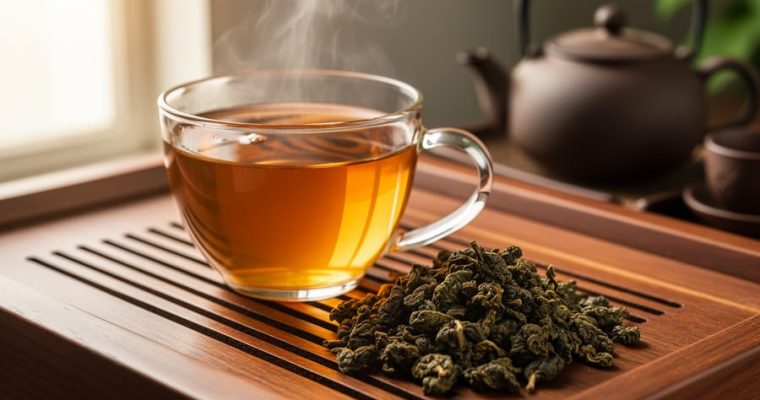
Oolong tea reveals its full character when brewed between 185°F and 205°F (85°C to 96°C), with the exact temperature depending on oxidation level: lighter oolongs thrive at the cooler end of this range, while darker, heavily oxidized varieties demand hotter water. This 20-degree window might seem narrow, but it’s the difference between a delicate floral cup and a bold, toasty brew that lingers on your palate.
Temperature precision matters because oolong leaves are partially oxidized, sitting between green and black teas in processing. Too cool, and you’ll extract a thin, grassy liquor that misses the tea’s …
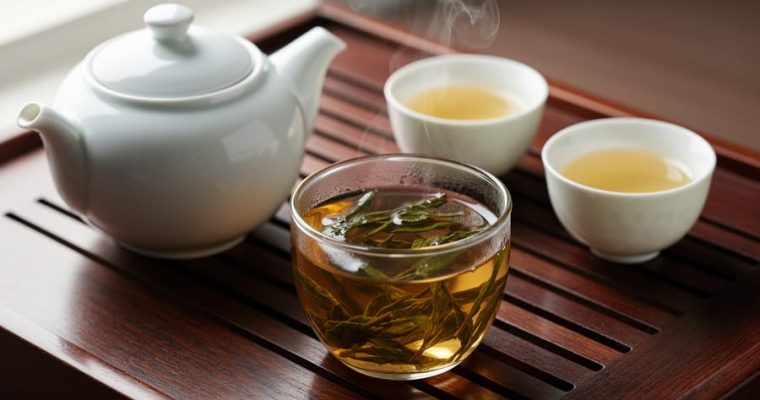
Brewing oolong tea correctly comes down to three essentials: water temperature between 185-205°F, multiple short infusions starting at 30-60 seconds, and a higher leaf-to-water ratio than you’d use for black or green tea. Unlike teas that tolerate only one steeping method, oolong’s partially oxidized leaves reward precision with layers of flavor that evolve across five or more infusions, transforming from floral and light to rich and toasted as you go.
The technique matters because oolong occupies the vast middle ground between green and black tea, spanning oxidation levels from 10% to 80%. This range means a lightly …
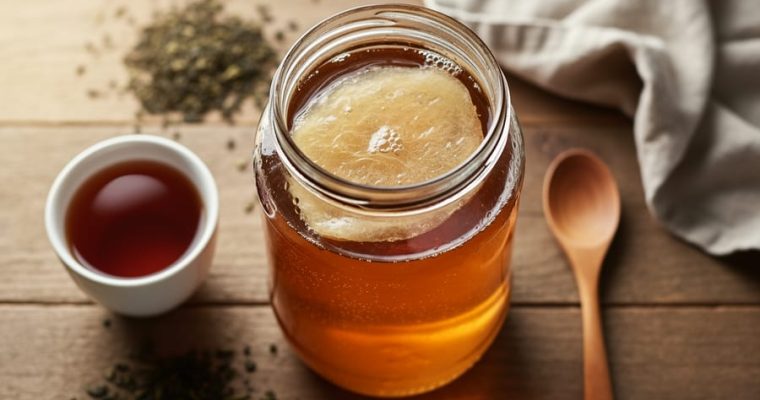
Kombucha is a fermented tea beverage created by combining sweetened tea with a symbiotic culture of bacteria and yeast, commonly known as a SCOBY. For tea enthusiasts curious about this tangy, effervescent drink that has become a fixture in cafes and grocery stores worldwide, its origins tell a story that stretches back more than two millennia yet remains partly shrouded in mystery.
Most historical accounts trace kombucha to northeast China around 220 BCE, where it was valued for its invigorating and detoxifying effects. The drink held a place in regional Chinese tea …
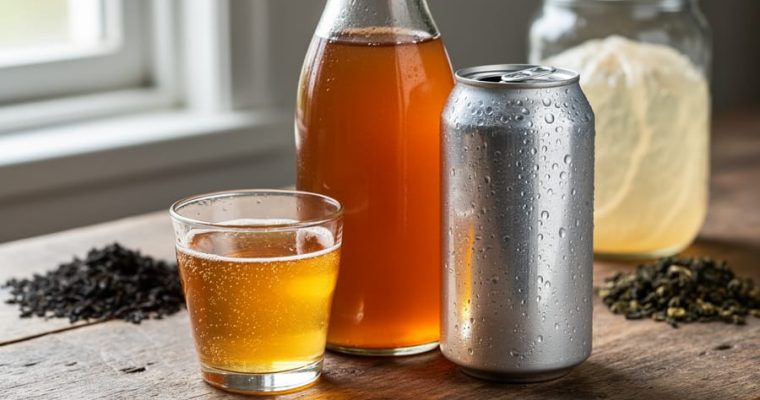
Brew Dr. Kombucha is an organic, raw kombucha brand distinguished by its traditional fermentation methods, whole-leaf tea base, and commitment to craft-brewing practices that appeal to both tea enthusiasts and health-conscious consumers across North America. Unlike many commercial kombuchas that rely on extracts or shortcuts, Brew Dr. brews its kombucha using actual tea leaves, the same foundation you’d use for a premium cup of oolong or black tea, then ferments the liquid traditionally to create what the company describes as a living, probiotic-rich beverage.
For those of us who’ve spent years exploring tea cultures and…