
How to Do Tea Prep at Home: Water, Time, and Temperature Made Simple
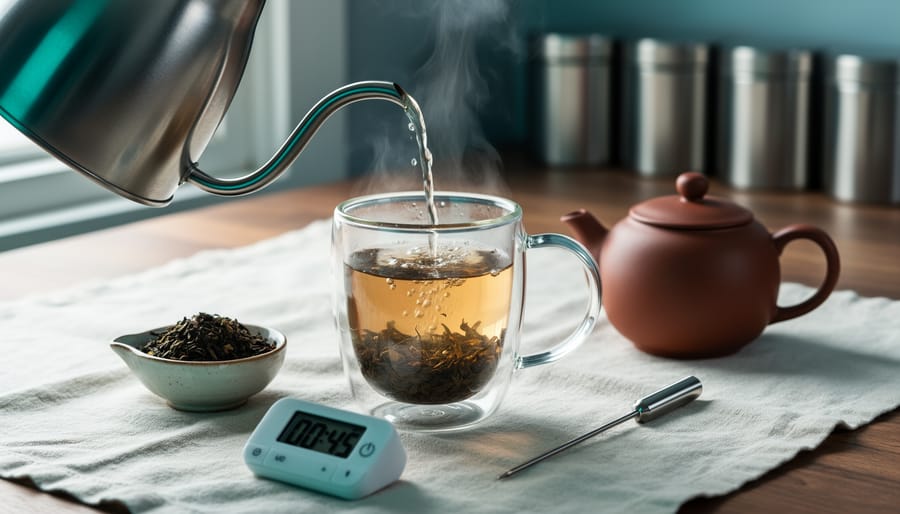
Good tea prep takes about five minutes and needs only three things done right: water at the correct temperature, the right amount of leaf, and a steep time you actually watch. Get those three in order and a basic pot of tea tastes noticeably better, whether it’s a grassy Japanese sencha or a malty Assam. It’s beginner-friendly, and nothing here requires special equipment to start.
Here’s why it works. Tea leaves release their flavor compounds at different rates. Hot water pulls out bitterness and tannins quickly, which is why boiling water scorches delicate green tea while a sturdy black tea can handle it. Steep too long and the cup turns astringent and dry. Too short, and it tastes thin and watery. Each tradition, from Chinese gongfu brewing with small pots and short, repeated infusions to the British habit of a strong black tea steeped in a warmed pot, has landed on its own answer to the same question: how do you coax the best from this particular leaf?
Below, you’ll find the tools worth having, a few safety points for handling hot water, a step-by-step brewing process with temperature and time guidance by tea type, and simple ways to taste, troubleshoot, and adjust. Start with one tea, one method, and a timer. The rest follows from there.
What You Need Before You Brew: Tea Tools and Materials
Choosing a Brewing Vessel Across Tea Cultures
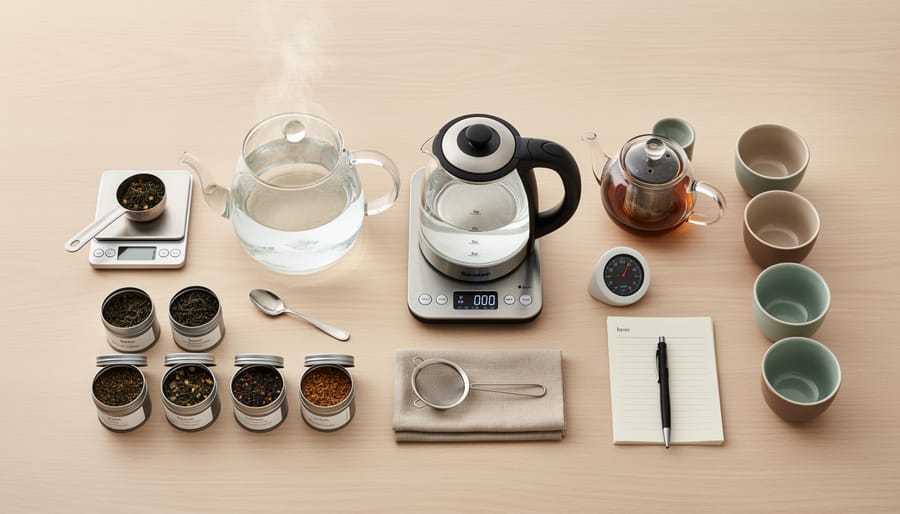
A gaiwan is a lidded bowl, usually porcelain, and it’s the workhorse of Chinese tea tables. Porcelain is neutral and holds heat without adding flavor, so you taste the leaf itself: floral, clean, a little bright. Its small size, often 100 to 150 milliliters, suits short, repeated steeps and lets you watch leaves unfurl.
The Japanese kyusu is a side-handled pot, often clay, built for green teas like sencha. Many have a fine built-in mesh that stops tiny leaf particles from clouding the cup. Unglazed clay can soften grassiness and round out the finish, giving a gentler, sweeter pour.
The British-style teapot is larger, typically glazed ceramic, and made for sharing a long steep of black tea. A thick, wide belly holds heat well, which suits robust leaves, though it makes timing matter more. Leave tea in too long and the whole pot turns bitter.
Then there’s the humble infuser mug. It’s forgiving, portable, and perfect for beginners. Glass shows color shifts beautifully but loses heat quickly, while thick ceramic keeps your cup warm longer.
As one longtime tea educator we spoke with put it, “The vessel is the first ingredient people forget. The same leaf in a thin porcelain bowl and a thick clay pot can taste like two different teas.” Start with whatever you own, then notice how each one changes the sip.
Safe Brewing: Hot Water, Heat, and Handling Cautions
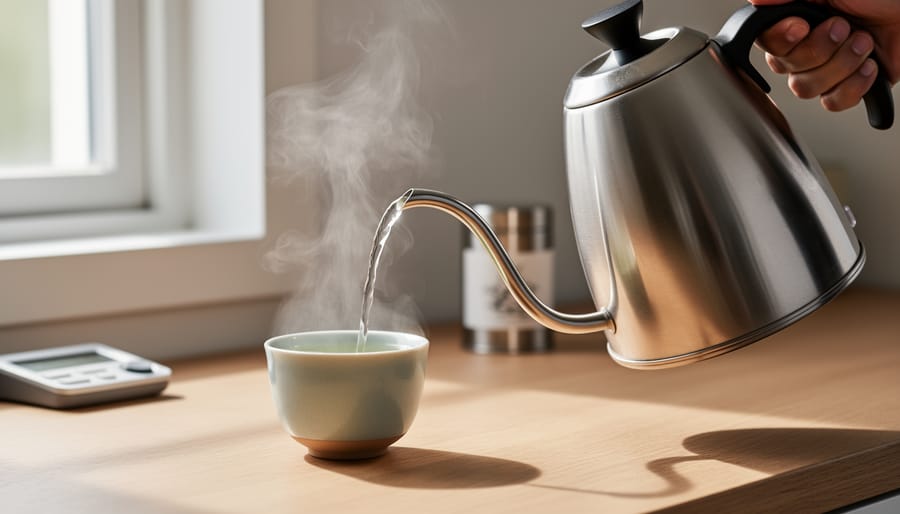
A good cup of tea starts with a calm, steady hand. Most tea prep mishaps come from rushing around hot water, so give your kettle your full attention while it heats and while you pour.
Fill the kettle only to the level the manufacturer recommends, and keep its handle turned away from the edge of the counter. When you pour, aim the spout well away from your body and hands, and pour slowly so the water doesn’t splash back. Let steam escape before you lean in to smell the leaves.
Check your vessel before you pour. Glass and delicate ceramics can crack when boiling water hits them cold, so warm them first with a splash of hot water, or choose vessels labeled heat-safe. Skip any cup or pot with a chip or hairline crack, since it can break under heat.
Keep hot kettles, pots, and freshly poured cups out of reach of children and pets, and don’t leave a full cup near the edge of a table. A tablecloth that a small hand can tug is an easy way to cause a spill.
Storage matters too. Keep loose leaf and tea bags in a cool, dry, airtight container away from moisture, steam, and strong smells. Before each brew, give the leaves a quick sniff. If they smell musty or damp, or you see any visible mold, throw them out and start with fresh tea rather than risk it.
Step-by-Step: How to Brew a Perfect Cup of Tea
Matching Water Temperature and Steeping Time to Your Tea Type
Why does the same leaf taste lovely one day and harsh the next? Usually it comes down to how it was steeped. “Steeping” simply means letting tea leaves sit in hot water so their flavor moves into the cup, and the result is called an infusion. Different teas give up their flavor at different speeds, and that’s tied to how they’re made. Oxidation is the natural browning that happens when leaves are exposed to air, a bit like a cut apple turning brown. Lightly oxidized teas are delicate and need gentler water. Heavily oxidized ones can handle the heat.
Here are friendly starting ranges for a standard Western-style cup:
– White tea: 80-85°C (175-185°F) for 2-4 minutes. Expect soft, honeyed, slightly floral notes.
– Green tea: 75-80°C (165-175°F) for 1-3 minutes. Japanese greens like sencha lean toward the cooler, shorter end.
– Oolong tea: 85-95°C (185-205°F) for 2-4 minutes, depending on how green or roasted the style is. If you want to fine-tune your oolong temperaturethe style makes a big difference, and it’s worth reading up on how to master oolong brewing once you’re comfortable with the basics.
– Black tea: 95-100°C (205-212°F) for 3-5 minutes. Rich, malty, and sturdy.
– Pu-erh: 95-100°C (205-212°F) for 2-4 minutes, often after a quick rinse. Earthy and smooth.
– Herbal infusions: 95-100°C (205-212°F) for 5-7 minutes, since roots, flowers, and dried fruit need more time to release their character.
Notice that I’ve linked oolong temperature guidance above because oolong is the style that varies most.
Treat all of these as starting points, not rules. Tea traditions differ from region to region, and your own palate gets the final vote.
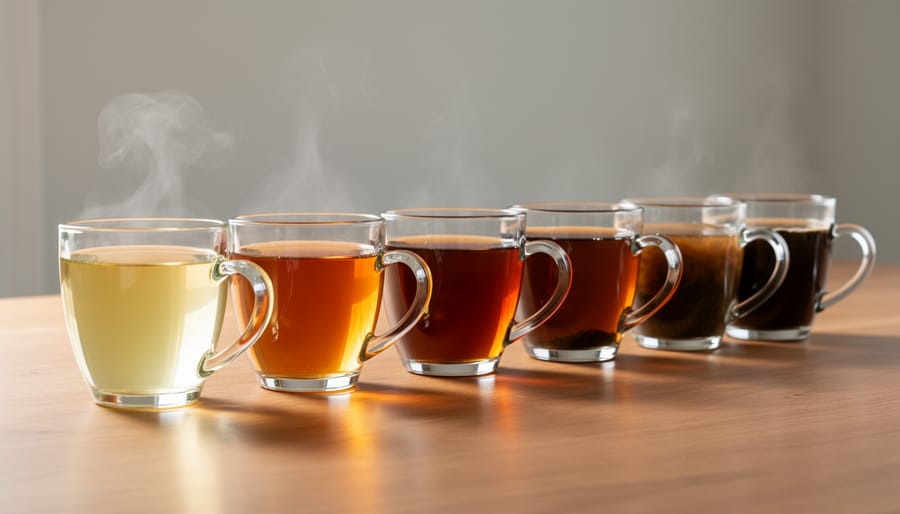
Your cup will tell you when something’s off. Under-steeped tea tastes grassy, thin, and a little watery, as if the flavor never fully arrived. Over-steeped tea, or tea made with water that’s too hot, turns bitter and astringent, that dry, puckering feeling on your tongue and cheeks. If your cup lands in either camp, nudge the time by 30 seconds or the temperature by 5 degrees, and taste again.
Western-Style vs. Gongfu-Style Brewing
Western-style brewing is the one most of us grew up with: a modest pinch of leaf, plenty of water, and one longer steep, usually three to five minutes. It’s forgiving, easy to scale for a crowd, and ideal for breakfast blacks, everyday green teas, and anything you’re sipping at your desk. You pour, you wait, you drink.
Gongfu brewing, which grew out of Chinese tea traditions (and its name loosely means “skill” or “effort”), flips the ratio. You use a lot more leaf in a small vessel, like a gaiwan, and pour off many short infusions, often just ten to thirty seconds each. Because the leaf is never drowned for long, bitterness stays in check and the flavor shifts from steep to steep. The first cup might be bright and floral, the fourth deep and honeyed, the seventh soft and mineral. It shines with oolongs, pu-erh, and quality leaf you want to explore slowly.
Neither approach is “correct.” Western-style suits convenience and big mugs; gongfu rewards attention and a quiet half hour. Many cultures sit somewhere in between, from Japanese tea brewed in a small kyusu to Moroccan-style pots that are poured and re-poured.
Here’s a tip from a tea practitioner we know: don’t buy anything new to start. Take your usual oolong, double the leaf, use a small teapot or even a lidded mug, and pour out each steep after about twenty seconds. Add five to ten seconds with every round, and taste how the cup changes. That’s all gongfu really is, curiosity applied in small sips.
Tasting and Troubleshooting: How to Tell If Your Brew Worked
Key Takeaways for Better Tea Prep
These same habits carry over to every occasion, from a quiet solo mug to a full table of guests. If you’re planning one, our guide to afternoon tea prep shows how to apply them at scale.
Tea Prep Questions, Answered
Plenty of questions come up once you start brewing at home, and these are the ones our community asks most. Think of them as quick fixes you can try on your very next cup.
Should I use boiling water for every tea?
No. Black tea, pu-erh, and most herbal infusions do well with fully boiling water, but delicate white and green teas taste sweeter and less bitter with water that has cooled a little. If you’re unsure, let the kettle rest for a minute or two before pouring.
How many times can I re-steep my leaves?
It depends on the tea. Whole-leaf oolongs, pu-erh, and quality green teas can often give three to five infusions, especially brewed gongfu-style, while most tea bags are best used once. Keep tasting, and stop when the flavor turns thin.
Can I improve a tea bag with better technique?
Absolutely. Use fresh water at the right temperature, cover your cup while it steeps, and take the bag out on time instead of squeezing it or letting it sit.
Is tap or filtered water better?
Filtered water usually gives a cleaner, brighter cup, particularly if your tap water has a strong taste or smell. If your tap water tastes good on its own, it will probably make decent tea too.
How do I store brewed tea?
Let it cool, pour it into a clean covered container, and keep it in the fridge. Drink it within a day or two for the best flavor, and toss it if it smells off or looks cloudy in an unusual way.
Chilled leftovers are also a great jumping-off point for your own iced tea experienceand if you’re curious about caffeine-free options, our guide to herbal tea basics is a friendly place to start. For ideas on turning a good brew into something refreshing, explore this take on the iced tea experience.
Good tea prep comes down to a handful of habits: fresh, clean water, a leaf amount you actually measure, and a temperature and steep time that suit the tea in your cup. Everything else is refinement. Once those basics feel natural, you’ll start noticing the small things, like the way a green tea smells a little sweeter at 175°F or how a second infusion of oolong opens up into something rounder than the first.
So here’s a gentle challenge for this week. Pick one tea you haven’t brewed before, or try a method that’s new to you, maybe a few short gongfu-style steeps instead of one long Western pour. Change just one variable, taste carefully, and jot down what you notice.
Tea has always been a shared craft, passed between kitchens, tea houses, and families across the world. We’d love to hear how your cup turned out and which brewing rituals you swear by. Bring your results and your favorite routines to the Tea Gurus community, and let’s keep learning together, one pot at a time.