
How to Choose and Brew Afternoon Tea Blends for a Balanced Tea Table
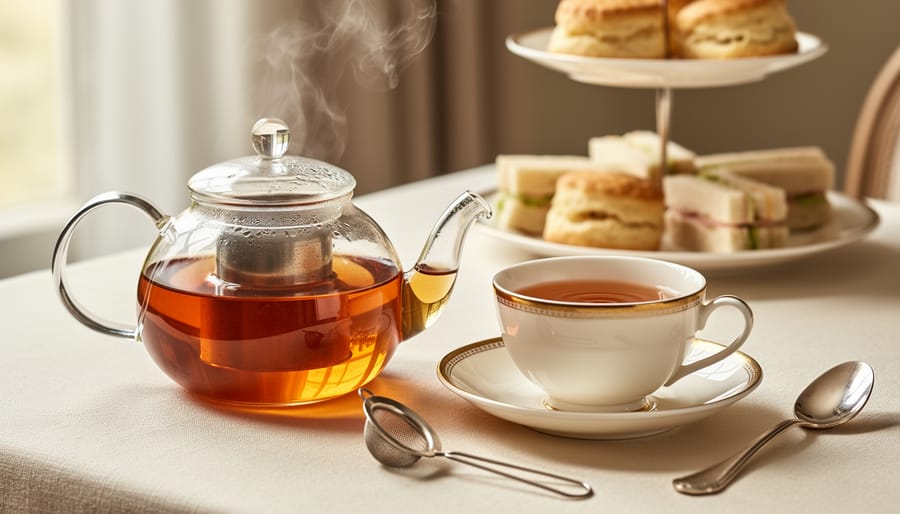
A good afternoon tea blend is light enough to sit alongside food, bright enough to wake up a flagging three o’clock, and forgiving enough that you can brew it well on the first try. Choose a gentle black such as a Ceylon or a Keemun, or a scented blend like Earl Grey or a jasmine green. Use water just off the boil, steep for three to four minutes, and you’ll have a cup that suits scones, finger sandwiches, and sweets without overpowering any of them. The whole thing takes about ten minutes of hands-on time, and the only real prerequisite is a pot and a decent strainer.
Why these styles? Afternoon tea grew out of Victorian England, but the idea of a mid-day pause with tea and small bites belongs to many cultures. Think of Darjeeling served in Kolkata tea rooms, jasmine pearls sipped alongside dim sum in Guangzhou, or a Moroccan mint green poured from a height. The common thread is balance: a cup that refreshes the palate rather than flattening it.
This guide sorts blends by style, not by brand rankings, and walks you through brewing and pairing them. If you’re planning a full spread, our guide to a balanced afternoon tea shows how each plate and pot fit together. Here, we start with the leaves.
What Makes a Tea Blend Right for the Afternoon
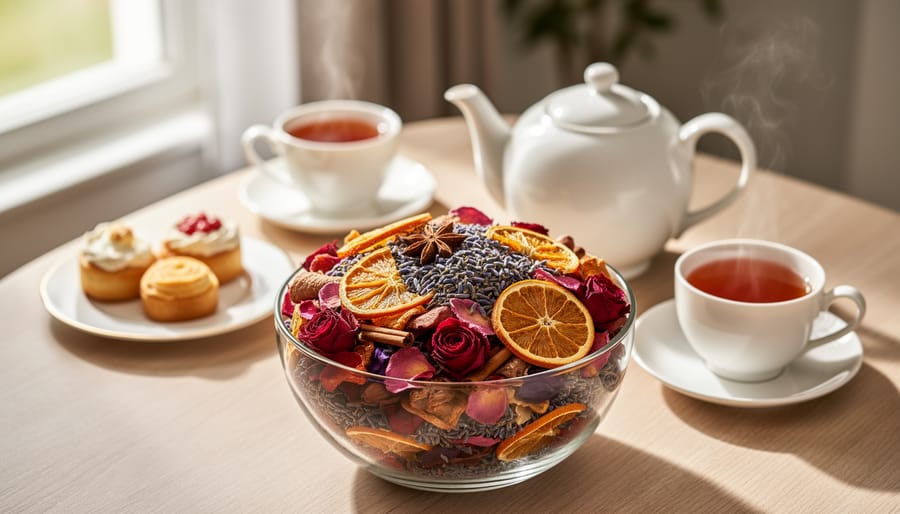
Walk into any tea shop and you’ll find “afternoon tea” printed on a dozen different tins, each tasting a little different. That’s because the name describes an occasion more than a recipe. In practice, an afternoon blend tends to share a few traits: moderate caffeine, so you’re refreshed rather than wired before dinner; a brisk but smooth body that doesn’t turn bitter; a lift of aroma, whether that’s malt, bergamot, or flower petals; and enough versatility to stand up to both a cucumber sandwich and a slice of Victoria sponge.
Labels vary widely by brand and tradition, so the name on the tin is a starting point, not a promise. One company’s “English Afternoon” might be a gentle Ceylon and Keemun mix, while another leans on a robust Assam. Read the ingredient list for the base teas, any scenting (such as bergamot oil or jasmine), and added botanicals, and you’ll know far more about what’s in your cup than the marketing tells you.
The tradition itself has a lovely origin story. In Britain in the 1840s, Anna, Duchess of Bedford, is often credited with popularizing a light mid-afternoon meal to bridge the long gap between lunch and a late dinner. Tea, small sandwiches, and cakes soon became a social ritual. From there it traveled with trade and empire, and each place made it its own: Indian chai breaks with biscuits, Hong Kong’s milk tea and pastries, and the tiered-stand tea rooms found from Sri Lanka to Sydney.
With that in mind, let’s look at the blend families that tend to earn a spot on the afternoon table.
Popular Afternoon Tea Blends and How They Taste
Classic Black Tea Blends: Brisk, Malty, and Comforting
Classic black blends are the backbone of most afternoon tables, and they earn that place by being friendly. English afternoon-style blends usually pair brisk Ceylon with something maltier from Assam, so you get a bright, clean edge softened by a round, biscuity depth. Ceylon from Sri Lanka brings a coppery cup and a crisp finish, sometimes with a faint citrus note. Assam, grown in the Brahmaputra valley of northeast India, leans darker and richer, with a deep amber color you can almost taste before the first sip.
Blenders, often working in small family firms or tea houses, balance these origins like a chef seasoning a stew. Their goal is consistency, so your cup tastes the same in March as it does in September.
These teas handle additions beautifully. A splash of milk rounds off the malt and turns the liquor a warm caramel, while a thin slice of lemon sharpens a Ceylon-forward blend. Choose one or the other, though, since lemon can curdle milk. If you’re unsure, start with the lighter, Ceylon-leaning style and add Assam strength as your guests prefer.
Aromatic and Floral Blends: Earl Grey and Beyond
Earl Grey is the gateway to aromatic tea for a reason. A black tea base is scented with bergamot, a fragrant citrus with a bright, almost perfumed zest note. Good ones smell like orange peel and sunshine before the first sip. Some versions soften the edge with cornflower petals or a touch of vanilla, which rounds the citrus into something creamier.
Jasmine tea works differently. The leaves, usually green or white, are layered with fresh blossoms so they absorb the scent, and the result is delicate and honeyed rather than loud. Rose and lavender show up as gentle accents in black or white blends, and they reward a light hand. Too much lavender can taste like soap, so look for blends where the flower whispers.
To describe an aroma, try breathing in the dry leaf, then the warm, wet leaf, and finally the steam. Ask yourself: citrusy, honeyed, powdery, green?
Subtlety matters most when the food is delicate. Cucumber sandwiches and plain scones let a floral cup shine, while strongly flavored bites can flatten it.
Lighter and Caffeine-Free Options for Every Guest
Not every guest wants the brisk punch of a Ceylon or Assam, and a good afternoon table makes room for a gentler cup. Darjeeling-style blends are a lovely first step. Grown in the Himalayan foothills, the leaf gives a light golden liquor with a muscatel, almost grape-like sweetness, and it rarely needs milk.
White tea goes softer still. Silver Needle and White Peony from Fujian, China, brew pale and honeyed, with a quiet floral finish. Keep the water below boiling so the delicate leaf doesn’t turn flat or grassy.
For guests avoiding caffeine, herbal blends open up a whole world. Moroccan fresh mint is poured high from the pot in sweet, fragrant arcs. South African rooibos is naturally caffeine-free and gives a warm, nutty cup that pairs well with scones. You’ll also find Chinese herbal blends built on chrysanthemum, goji, or osmanthus, which taste soothing and slightly sweet.
A simple rule: offer one lighter option and one caffeine-free option alongside your main pot, and label them clearly so everyone can choose with confidence.
Tools and Materials for a Balanced Afternoon Tea Table
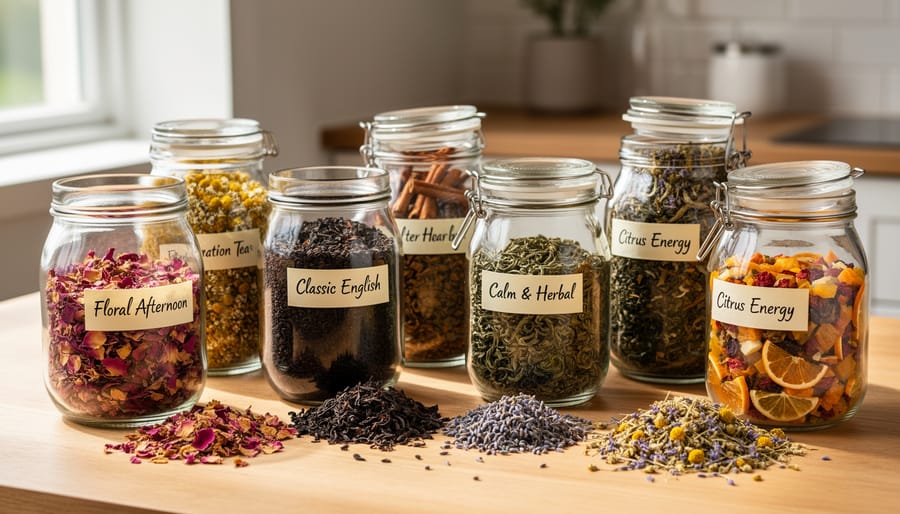
Before the kettle clicks on, it helps to have everything within arm’s reach. A balanced afternoon tea table is mostly about being unhurried, and good preparation buys you that calm. Start with the tea itself: a loose-leaf blend gives the most aroma and flexibility, though quality tea bags work well when you’re hosting a crowd. If you’re offering a gentler option for guests, our piece on herbal benefits explained is a friendly place to begin.
Here’s a simple checklist to gather first:
- Brewing gear: A teapot sized to your guest count, plus an infuser or fine strainer.
- Brewing gear: A kettle, ideally with temperature control for delicate blends.
- Brewing gear: A small scale or measuring spoons, and a timer.
- Serving ware: Cups and saucers, a warming pot for extra hot water, and a tiered stand or serving plates.
- Condiments: A milk jug, fresh lemon slices, and a few sugar options such as white, raw, or honey.
A few small choices make a noticeable difference. Warm the teapot with hot water before brewing so the temperature stays steady in the cup. Choose a pot with enough room for leaves to unfurl, since cramped leaves brew thin and flat. Set the milk jug and lemon on a separate small plate so guests can customize their cup without crowding the food.
If you’re missing a piece, our tea accessories shop carries pots, infusers, and servingware that suit this kind of table. There’s no pressure, though. A reliable pot, a decent strainer, and a timer will take you a long way.
Safety Warnings: Heat, Caffeine, and Allergens
Afternoon tea is a gentle ritual, but there is real heat on the table, so start there. Pour boiling water slowly, away from your body, and treat a freshly filled teapot as hot all the way round, including the lid and handle. Set it on a trivet or heat-proof mat in the middle of the table, never near the edge, and keep cords and tablecloth corners out of reach. If you want to dial in the water for each blend, our brew temperature guide and these brewing techniques are good places to start.
Caffeine deserves a thought too. Black and many scented blends still carry caffeine, so guests who are sensitive or having tea late in the day will appreciate a herbal or decaffeinated option. If someone is pregnant or has a health condition, suggest they check with their healthcare provider about what suits them rather than guessing.
Finally, read the ingredients on scented and herbal blends. Bergamot, citrus peel, florals, and added flavours can bother some guests, and some blends include nuts or other allergens. A small card by each pot listing key ingredients, plus the same for the scones, sandwiches, and sweets, keeps everyone comfortable and confident at the table.
Step-by-Step: Brewing Your Blend and Building the Balance
Matching Blends to Sandwiches, Scones, and Sweets
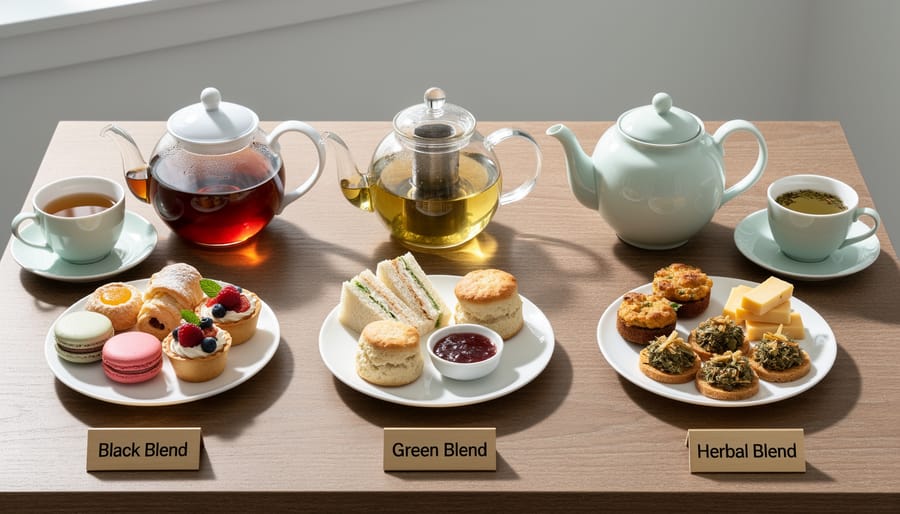
Think of the three courses as a gentle climb in richness, and choose your blend to meet each one. Savory sandwiches want something clean and brisk, scones can handle aroma, and sweets need a cup with enough backbone to refresh the palate. In a classic British service, one robust black blend often carries the whole table. In India, a spiced or milky chai-style cup is the afternoon standard, and in much of East Asia, lighter green or jasmine-scented teas keep the palate clear between small bites.
Here are some quick pairings to start from:
- Cucumber and egg sandwiches: Darjeeling-style or a delicate white tea.
- Smoked salmon or ham: a brisk Ceylon-forward blend with a touch of lemon.
- Scones with jam and cream: Earl Grey or a floral blend that cuts through the richness.
- Chocolate or fruit cakes: a malty Assam-leaning blend, with or without milk.
- Delicate shortbread and macarons: jasmine-scented tea or a gentle herbal option.
You don’t need to brew a separate pot for every course. If you’re serving just one tea, a medium-bodied English afternoon-style blend is the most forgiving choice. If you’re offering two, pair a lighter, aromatic option with a sturdier black blend so guests can move between them as the food changes. Pour the lighter one first and save the robust cup for the sweets.
Start with the water. Most afternoon blends, especially Ceylon-forward black teas and Earl Grey, do best with water just off the boil, around 95°C (203°F). Darjeeling-style and white tea blends prefer it gentler, closer to 85 to 90°C (185 to 194°F), so the leaves stay sweet rather than sharp. Herbal blends can take a full rolling boil.
For the ratio, a good starting point is one level teaspoon of loose leaf (roughly 2 to 3 grams) per 200 ml cup, plus one extra for the pot if you’re sharing. Bulkier, fluffier blends with petals or large leaves may need a heaping spoonful, so go by volume as well as weight.
Then comes the clock. Black blends usually want three to five minutes, lighter blends two to three. Set a timer, since a minute of distraction is all it takes to turn a lovely pot bitter.
Now look, smell, and sip. A well-brewed black blend glows a clear amber to deep copper, with no murkiness. The steam should smell malty and warm, perhaps with bergamot or floral notes lifting off the top. On the tongue, you want brisk but smooth: a gentle grip at the sides of the tongue, a rounded body, and a clean, slightly sweet finish with no lingering dryness.
Expert Insights: What Tea Professionals Do Differently
Professional tea people tend to think about the whole table before they think about the teapot. Ask a blender, a tea room host, or a tea educator how they plan an afternoon service, and the answer usually starts with the menu: what is rich, what is delicate, and who is sitting down to eat it.
[Expert input placeholder: Add 2 to 3 sentences from a tea blender, tea room host, or tea educator on how they choose and balance a blend for an afternoon service. Attribute by name and role only if the contributor has approved the wording.]
A few habits come up again and again among people who pour tea for a living. They brew a little lighter than they would for a solo morning cup, since the food adds its own intensity. They keep a second, gentler pot on hand for guests who prefer a softer cup or want less caffeine. And they taste the tea at the table, just before service, rather than trusting the clock alone.
[Expert input placeholder: Add a tip on adjusting strength for different guests or food, for example how the host handles a mixed table of strong-tea drinkers and lighter-tea drinkers.]
It also helps to remember that the afternoon pause looks different around the world. In Britain it means tiered stands and scones, in India it often means a strong, spiced cup with fried snacks, and in many East Asian traditions the tea comes with small, delicate sweets. Each one balances the cup against the food in its own way, which is a good reminder to adapt, not follow a single rule.
Checking Your Cup and Next Steps
Once the cup is poured, take a moment before you add anything. Look first: a well-brewed afternoon blend should be clear and bright, with colour that suits the style, from pale gold for a Darjeeling-style cup to deep amber for an Assam-leaning black. Then smell it. You want the aroma to rise easily, whether that’s malt, bergamot, or jasmine. If the scent is faint, the tea has probably brewed too weakly.
Now sip, plain, before milk or lemon. Balance means no sharp bitterness that lingers on the back of the tongue, no watery thinness, and a finish that invites a second sip. Then taste it alongside a bite of scone or sandwich. The tea should refresh the palate rather than fight the food.
If something is off, change one thing at a time. Bitter or drying? Shorten the steep or lower the water temperature a little. Thin and flat? Add a bit more leaf or steep another thirty seconds. Muted aroma? Check that your blend is fresh and that the water was properly hot. Brewing ranges vary by blend, so treat the package guidance as a starting point and trust your own cup.
To keep exploring, try one new blend each time you host, and jot down quick tasting notes: the blend, the ratio, the steep time, and what you’d tweak. A small tasting with friends, comparing two or three blends side by side, is a lovely way to sharpen your palate. Share what you discover with the Tea Gurus community, too.
Can I use tea bags?
Yes, quality tea bags work well, especially for casual gatherings. Loose leaf usually gives more room for the leaves to open and a fuller aroma, but a good bag still makes a pleasant cup.
How many cups does one pot make?
A standard teapot of about 750 ml serves roughly three to four cups. Scale your leaf and water together, and keep a pot of hot water nearby for guests who like a lighter cup.
Can I re-steep the leaves?
Many loose-leaf teas, especially lighter and whole-leaf styles, give a gentler second infusion. Broken-leaf black blends and tea bags tend to lose their body quickly, so expect a thinner cup.
What can I serve guests who avoid caffeine?
A gentle herbal blend, such as chamomile or a fruity infusion, makes a lovely alternative. Check the ingredients for allergens like citrus or florals before serving.
Keep notes, stay curious, and let each pot teach you something.

Balanced afternoon tea preparation isn’t a rulebook. It’s a habit you build one pot at a time, adjusting the blend, the strength, and the food to the hour and the people around your table. Some afternoons call for a brisk, malty black tea beside a slice of rich cake. Others want a delicate, floral cup with cucumber sandwiches and nothing more. Both are right.
Keep tasting, keep a few notes, and trust your own palate. The more you pour, the quicker you’ll sense when a cup is in balance.
We’d love to hear which blends and pairings have earned a permanent spot on your table, so share them with the Tea Gurus community. If you’re hungry for more, explore our related guides, and when you’re ready to refine your setup, our tea accessories shop is there too.