China is a well-renowned tea producer in the world. With more than 16 tea-producing regions, China practically generates thousands of tea varieties and supplies up to 18% of global tea export. Here are some of the legendary varieties of the Chinese tea collection:
Yin Shen (Yin Zhen or Silver Needle)
Yin Shen tea is produced in the Fujian province. This tea is made from selected fresh tea buds only. Brewing this ancient white tea produces a pale yellow tea with a sweet and smooth texture. This variety produces various infusions which makes it expensive.
Longjing
Longjing is a variety of green tea that is …
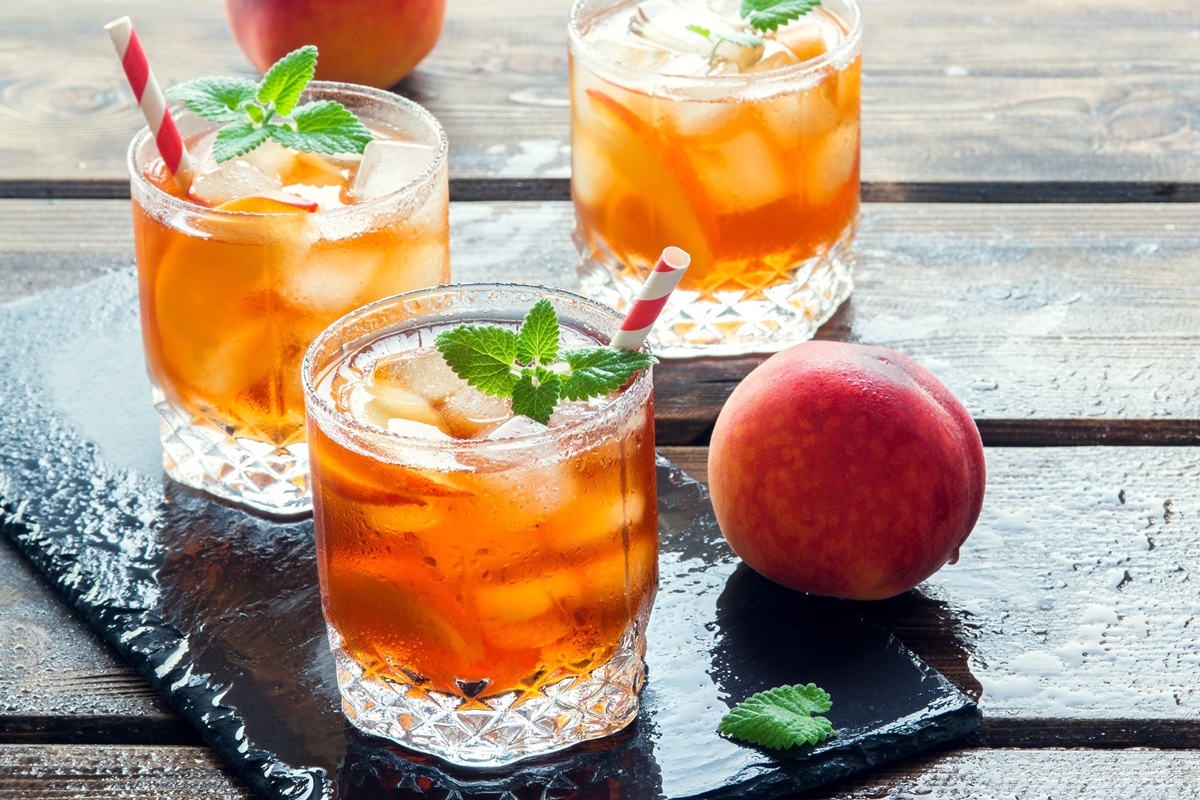
Are your friends coming over during lunchtime? Well, maybe serving them iced tea is a great idea. However, rather than settling for store-bought tea bags, you should look for ways to level up your iced tea. Here is how:
Try New Tea Varieties
Store-bought tea bags are often made with lower quality tea. Therefore, the next time you make a pitcher of iced tea, try using full-leaf tea varieties from different regions. Full-leaf tea varieties will produce rich and robust flavor because they are carefully processed and handled.
Cold Brew Method
Cold brewing is an alternative to using hot water to steep your tea. …
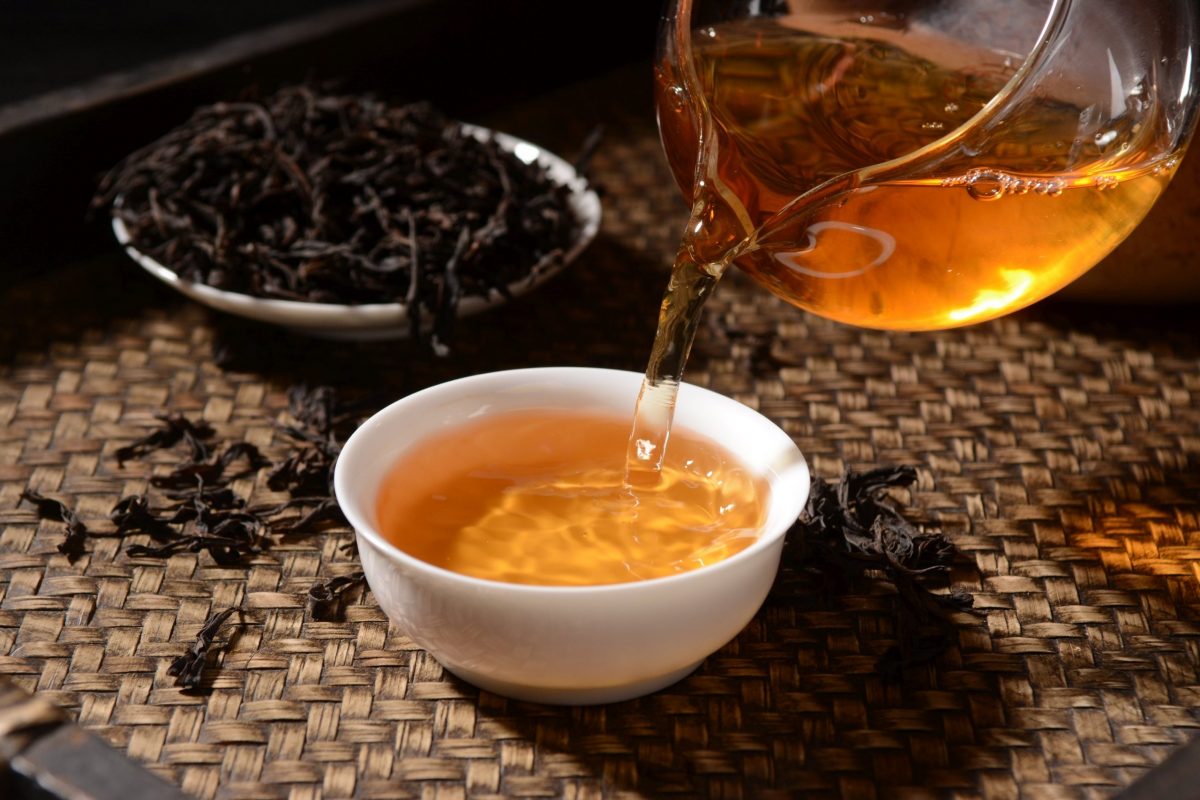
Black tea comes from oxidized and dried tea leaves. After plucking green tea leaves, they are left to wither for 12 to 24 hours after which they are oxidized for up to 4 hours. Black tea can be served as flavored, blended, or even as single-estate. Here are some of the essential black teas from different parts of the world:
Assam
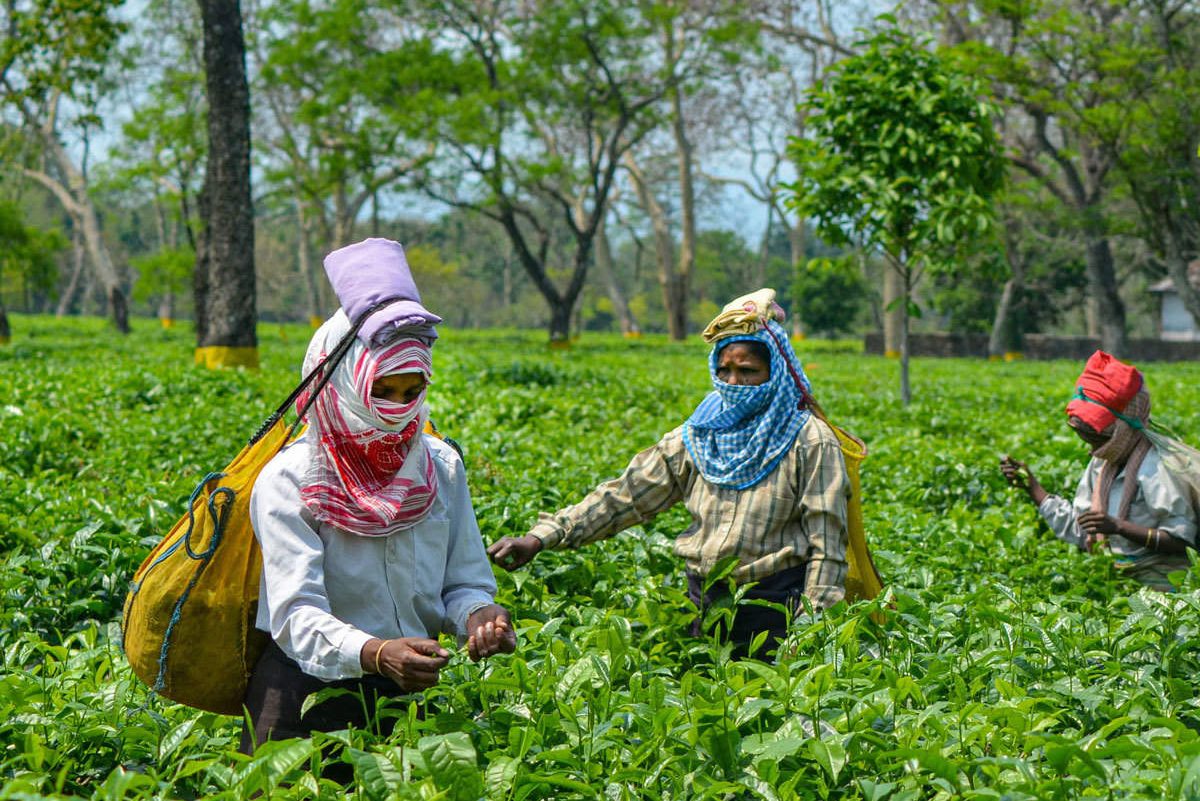
Assam is produced in northeast India. It is popular as a breakfast tea and can be consumed with milk.
Darjeeling
Darjeeling is another popular black tea that also comes from India. This black tea is famous for its muscatel grape flavor.
Golden Yunnan
Golden Yunnan …
Tea is a great gift to humanity. It’s the best thing since sliced bread- so we would only be surprised if you aren’t interested in the best Canadian tea brands.
You are on point if you need new brews to pique your palettes and give your morning a quick start. Canada boasts some remarkable tea companies, from accessories to natural brews without artificial flavors.
Here, we’ve curated Canadian tea companies that you’ll love.
Where to Buy Canadian Tea Brands Online
Whether you’re looking for the perfect cup of tea to cozy…
People take care of themselves in different ways. For some, this means working out when they need a boost.
Loose-leaf tea might seem intimidating at first, but it’s actually not as daunting as it might seem. While the process will take more time than preparing regular oolong, white, black, and green teas, the wait will be worth it.
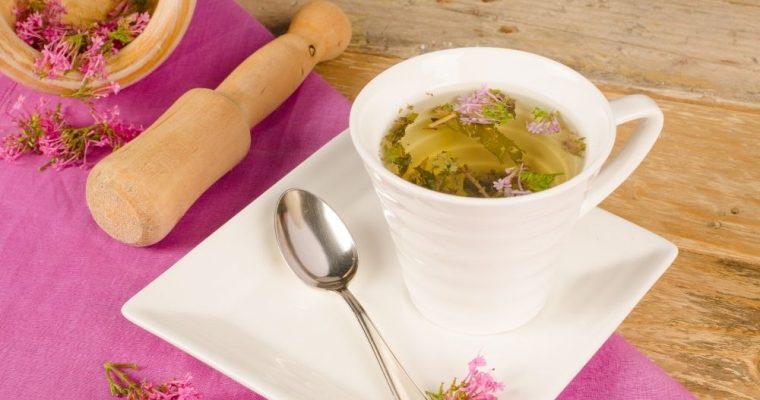
In most cases, herbal teas are brewed anywhere from 15 minutes to four hours. In fact, the longer you wait, the more you can draw out the exceptional properties of the herbs into the water…
There are more than 159 million Americans who drink tea every day. In 2018, they drank more than 3.8 billion gallons of tea. This is not surprising since tea is the second most popular drink after water. Tea consumption is the combined consumption of sodas, coffee, and alcoholic drinks.
Continue reading to know some effective tips on how to enjoy your tea more.
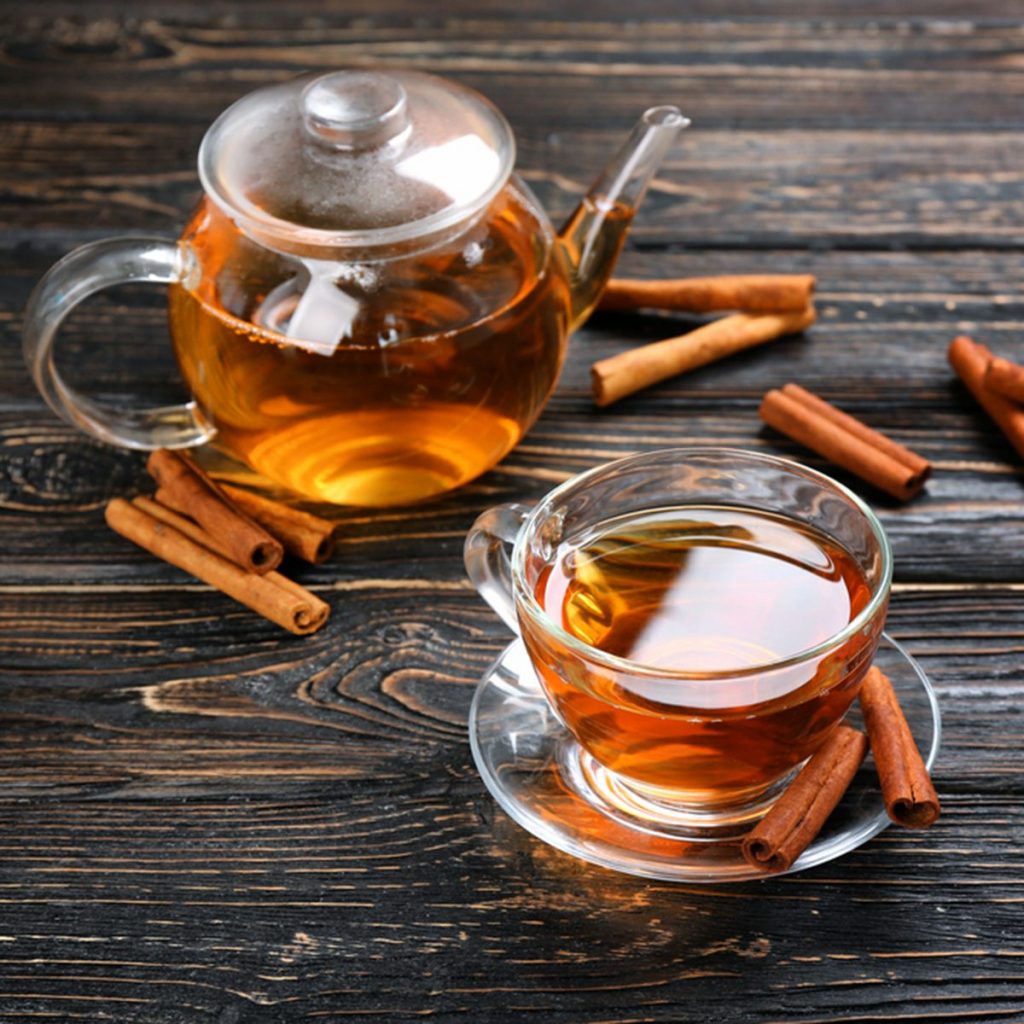
Mixing Cinnamon
Cup and teapot with aromatic hot cinnamon tea on wooden table; Shutterstock ID 696392743; Job (TFH, TOH, RD, BNB, CWM, CM): TOH
Aside from making you feel cozy while drinking tea, adding cinnamon also has many health benefits. The spice element of cinnamon aids in keeping your heart healthy and losing weight.
Adding Mint Leaves
To rejuvenate during summer days, you can put several mint leaves in a cup of green tea. This is also great to make your tea parties more enjoyable. An interesting fact about mint tea is that it is a traditional drink in Morocco that symbolizes hospitality and friendship.
Mixing Cocoa
If you love tea and chocolate, you better try mixing tea and cocoa powder to level up your tea. This is a perfect drink to have in winter. The hint of chocolate makes the tea delectable and rich. You will understand the hype in this drink after you have tried it.
Using Sugar Alternatives
Do you want other ways to sweeten your tea aside from sugar? You can opt for honey to give your tea a smooth and soft taste. Another sweetener option you have for your daily cup of tea is stevia.
Using Maple Syrup
Experiencing a bad cup of tea is inevitable. Nevertheless, maple syrup can be a solution for that. It can change a bad cup of tea into a cup of goodness. Besides making your tea sweeter, it adds a hint of complexity to any cup of tea.
Using Lemongrass
Lemongrass, a native herb in South India, is a quick fix to any kind of tea because it is fresh. Combining lemongrass with your cup of tea can give you a more citrusy and flavorful tea experience. The tanginess will make you want to add it to your tea each day.
Brewing
Not all teas are created the same, so every type of tea has different brewing times. When you make green tea, you can brew for a little less than 2 minutes. The brew time for herbal tea is 5 minutes. You can perfectly brew black tea for 2 minutes. Once you get the hang of the right brewing time, you can master brewing tea in general.
Another important element to brewing tea is the right temperature. Even though microwaves are convenient for heating food, it is a bad idea to use them to brew tea. That is because you cannot control the temperature. Your best choice is using kettles such as solar kettles.
Controlling Caffeine
Steeping time is also crucial when controlling the amount of caffeine in your tea. You can steep your tea for a shorter period if you prefer to have more caffeine in your tea. Nevertheless, you steep briefly, pour the brew, and steep it once again to remove as much as 80% of caffeine content.
Getting the Best Tools for Brewing Tea
Though it is better, you do not need a special or expensive kettle to create good tea. Some kettles have special features such as setting the temperature. Some move the tea bag or turn it on and off automatically. Other accessories you can consider are brewing baskets and mugs. These can have an impact on how you enjoy your tea.
Keeping Tea in an Airtight Container
Since tea absorbs much moisture, it is a bad idea not to store it in an airtight container. Doing so will lead to tea losing most of its flavor and odor. These factors are responsible for making your tea delicious. You cannot do anything about it even if you follow your tea recipe to the letter. It is best to keep your tea in a dry and dark container.
Using Creamer
A tea with thicker consistency can be possible by using a creamer. Rather than using milk, you can use cream to get a dense and silky texture. Making this switch will make your tea time more exciting. It is recommended to combine cream with malty black teas. You can also try experimenting with other teas.
Conclusion
Finally, you know some of the tips on how to make your tea even better. Each person’s tea experience is different because this depends on the quality of the tea used. Therefore, it is recommended to use quality tea bags and leaves to get a good taste of tea. Trying these tips is worth it because they will make you appreciate the taste and aroma of tea more.
Smoking has been long known to be one of the reasons for oxidative stress. Bargain E-Juice recommends that It does it by bringing free radicals to your body. The same idea applies to vaping, even though it occurs at a lower rate.
What is oxidative stress?
As the number of antioxidants in our bodies drops and the level of reactive radicals rises, oxidative stress happens. Oxidative stress has also been related to degenerative diseases, in addition to cancer and cardiovascular disease. This is why we need to minimize the level of oxidative stress.
Dr. James…
The pandemic outbreak has lead to changes in consumers’ behavior, and this is no exception for tea consumption. Declines in food services have caused an increase in global tea consumption by 1.5%, according to EIU.
In Britain, for example, cafes and tea shops experienced a 37.7% drop in their sales while the retail sales for the hot beverage category including tea and hot chocolate experienced a 7.1% increase in 2020.
Consumers were mostly looking for traditional blends with Yorkshire reigning in the top seller position with 14.5% sales growth. This was followed by Twinings and Tetley with 3.4% and 2.2% sales growth.
…
FAITTA, India’s professional tea traders association, asked the nation’s tea board in January 2021 to evaluate the digital auction process thoroughly. FAITTA members believe that even after five years of running, the system is still failing to create a fair bidding experience for the traders.
Viren Shah, a member of FAITTA, claimed that the bidding process can lead to an unnecessary hike in tea prices that can cause a skew in price norms. Shal also said that the knockdown mechanism in the bidding process can also affect traders’ participation in the long run. Consequently, this will be counterproductive to the Tea Board’s original intention.
The auction prices for tea increased by 31% in 2020. However, this was not caused by the working bidding mechanism. It was due to a shortage in tea production rate and issues in the ground distribution processes. Currently, no one is sure about the exact reason behind the production shortage. In 2020 alone, India’s tea production dropped by 18.2%.
The prolonged drought that hit Kenya this year has caused a decrease in yields for tea farmers across the country. According to tea makers in the country, the tea leaf processing facilities only produces half the usual production capacity.
The drought has also lead to a decrease in the number of workers working in the farms and processing facilities. Farmers said that they are only able to employ half of the normal amount of tea pickers for this harvest season.
Experts said that the short tea supply may cause a price increase for Kenyan tea. On the other hand, Indian tea farmers and makers have taken advantage of this drought…
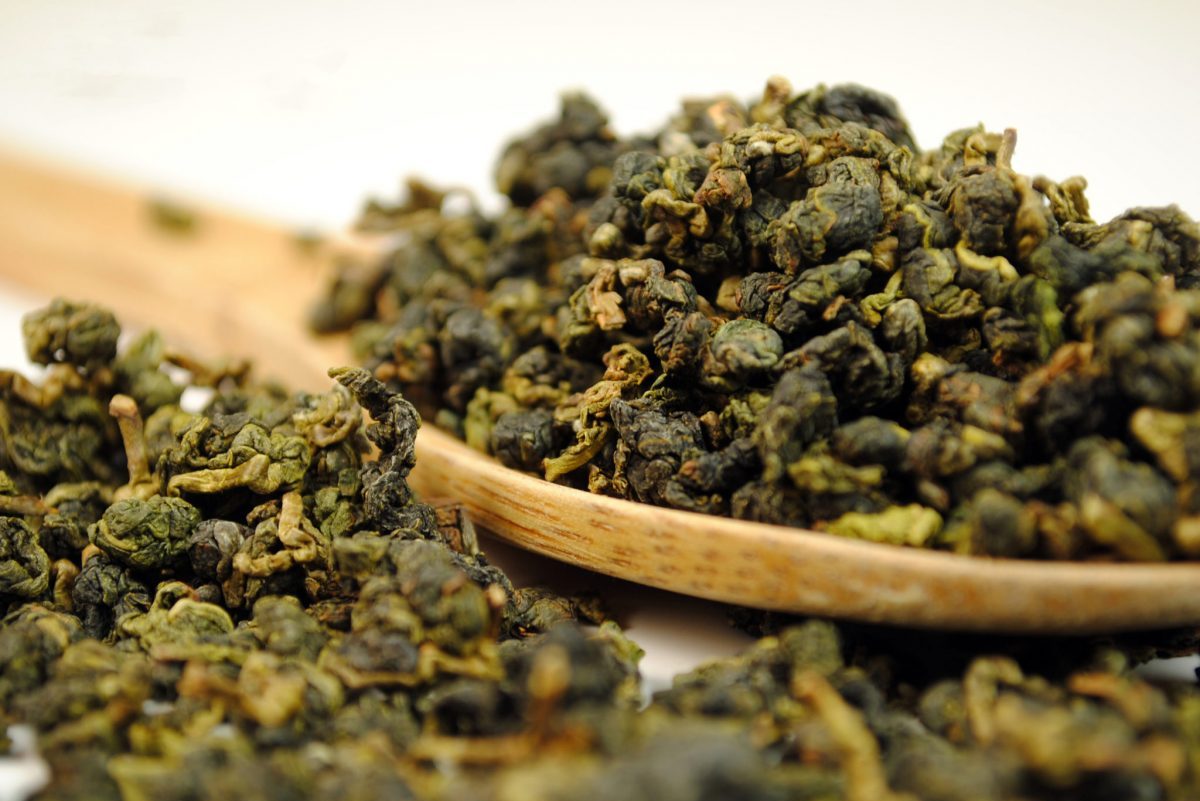
Have you tried brewing Oolong tea but the flavor didn’t come out like what you read on the internet or in magazines? Well, maybe you brewed it the wrong way.
First things first, you should never directly steep Oolong tea in water. You need to rinse it first with hot water. It is important to prepare your tea leaves. You also need to prepare the teapot by filling it with hot water and then you rinse the water out of the pot.
Then you can throw your tea leaves into the teapot. Add a tablespoon of tea leaves for every cup of water. Steep your tea for 1 to 3 minutes and then serve it. Besides, a high-grade Oolong tea can be …
Having a special tea blend for your wedding can be a great way to add a memorable personal touch to your big day. Even though there are tea brands out there that provide pre-packaged wedding tea blends, creating your own blend can be a great idea.
Just like blending any other tea blend, you should start with a flavor base. For a wedding tea blend, start with a light tea flavor base such as green tea or white tea.
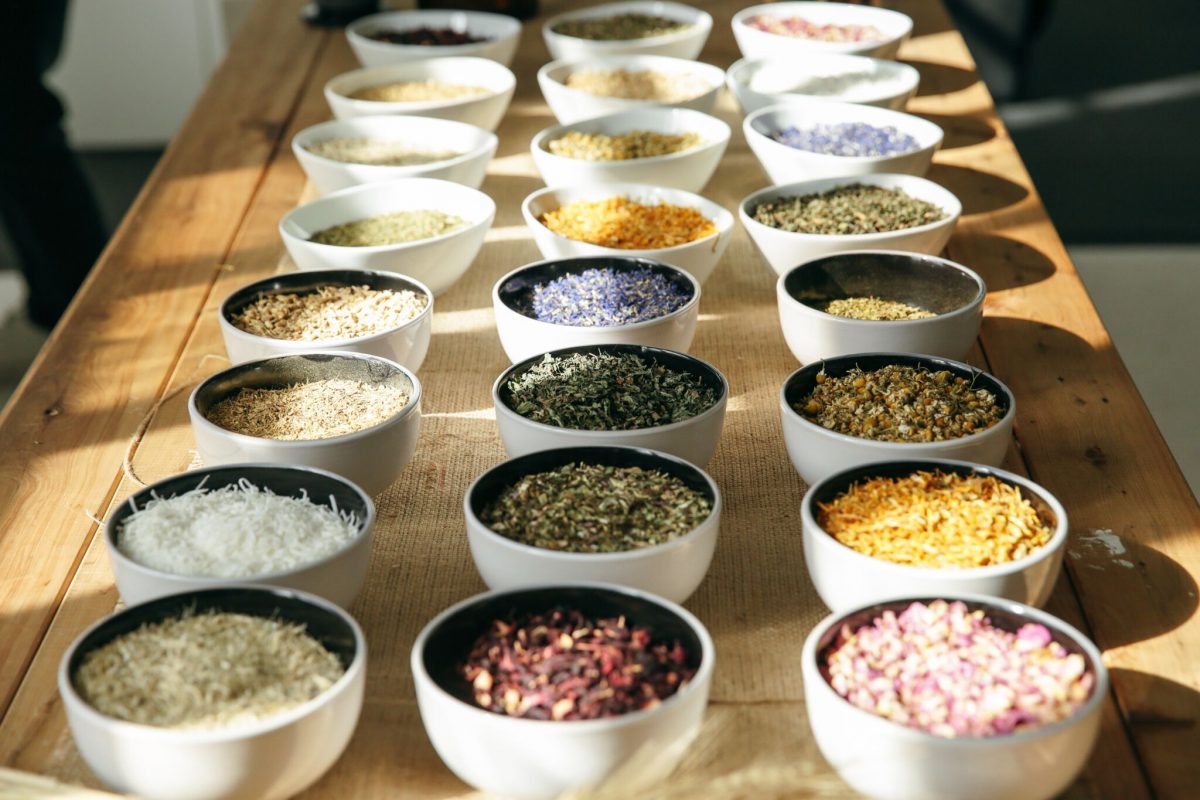
Once you have created the tea flavor base, the next step is to add other ingredients. You can try adding spices and dried flowers to give your tea a little kick and floral flavor notes in the background. However, the most important thing here is to make your tea light while keeping the rich flavor profiles.
Green tea is the oldest of the tea family. To make green tea, makers will either throw the freshly picked leaves into a wok to be stir-fried or a giant steamer. It is believed to have a high amount of antioxidants and mainly comes from China, Taiwan, and Japan. Below are some green tea varieties:
Gunpowder
This tea is very popular among tea lovers in America and Africa. It is presented as small hand-rolled green tea balls.
Sencha
This tea originally comes from Japan. But, as the global demand increases, Chinese tea makers are also producing it now. When steeped, it produces grassy golden-yellow liquor.
…
China is a well-renowned tea producer in the world. With more than 16 tea-producing regions, China practically generates thousands of tea varieties and supplies up to 18% of global tea export. Here are some of the legendary varieties of the Chinese tea collection:
Yin Shen (Yin Zhen or Silver Needle)
Yin Shen tea is produced in the Fujian province. This tea is made from selected fresh tea buds only. Brewing this ancient white tea produces a pale yellow tea with a sweet and smooth texture. This variety produces various infusions which makes it expensive.
Longjing
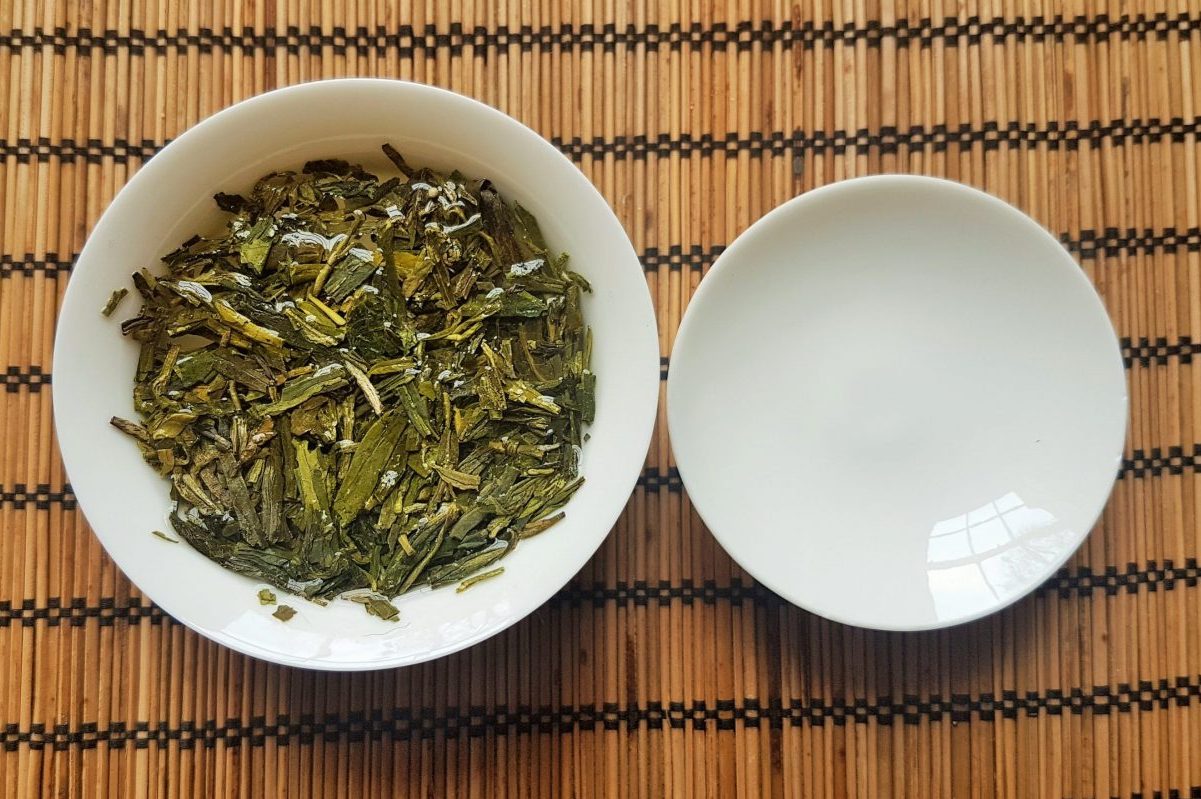
Longjing is a variety of green tea that is popularly known as “Dragon Well”. It comes from the Zhejiang part of China. If you want top-notch Longjing tea, you should go for the one that is made with young and withered shoots.
Keemun
Keemun is one of the most popular Chinese tea varieties that are used in English breakfast blends. This is probably because it blends very well with milk. Keemun has a broad range of grade quality and it has a deep black appearance. The medium body quality of Keemun tea makes it a very popular choice as the flavor base of many well-known tea blends.


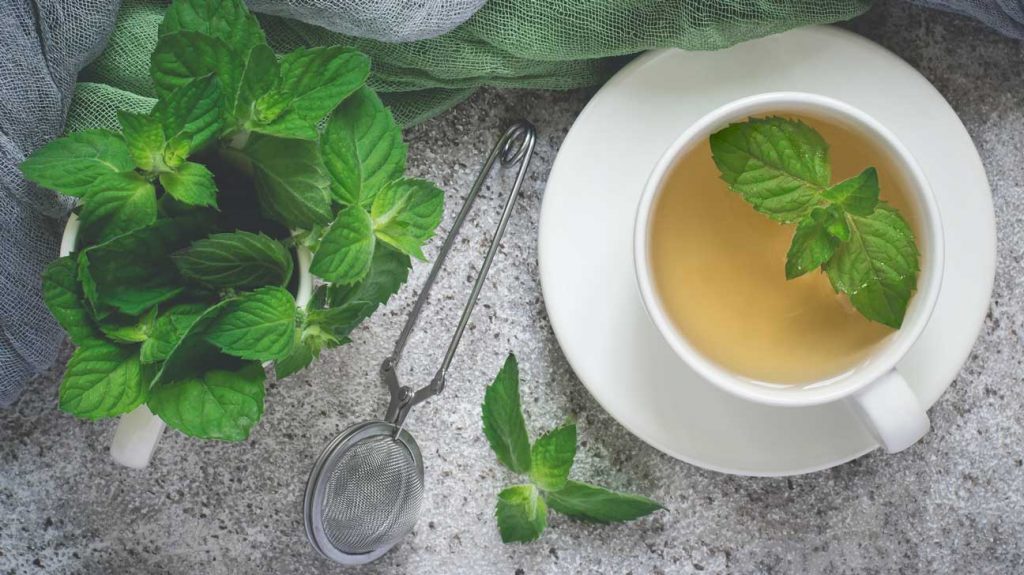 To rejuvenate during summer days, you can put several mint leaves in a cup of
 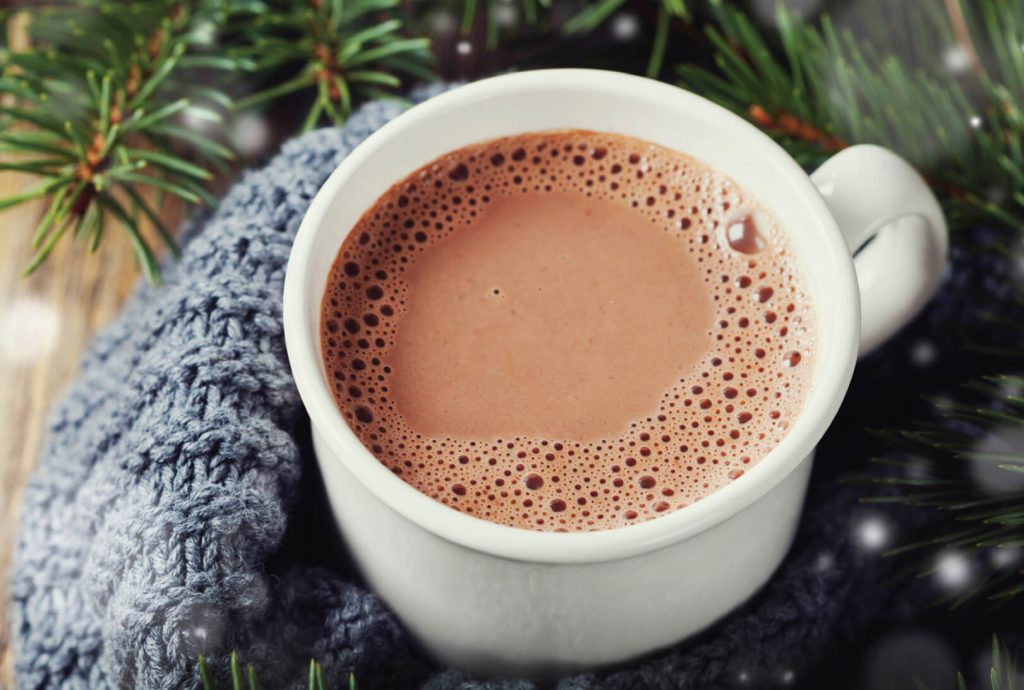 If you love tea and chocolate, you better try mixing tea and cocoa powder to level up your tea. This is a perfect drink to have in winter. The hint of chocolate makes the tea delectable and rich. You will understand the hype in this drink after you have tried it.
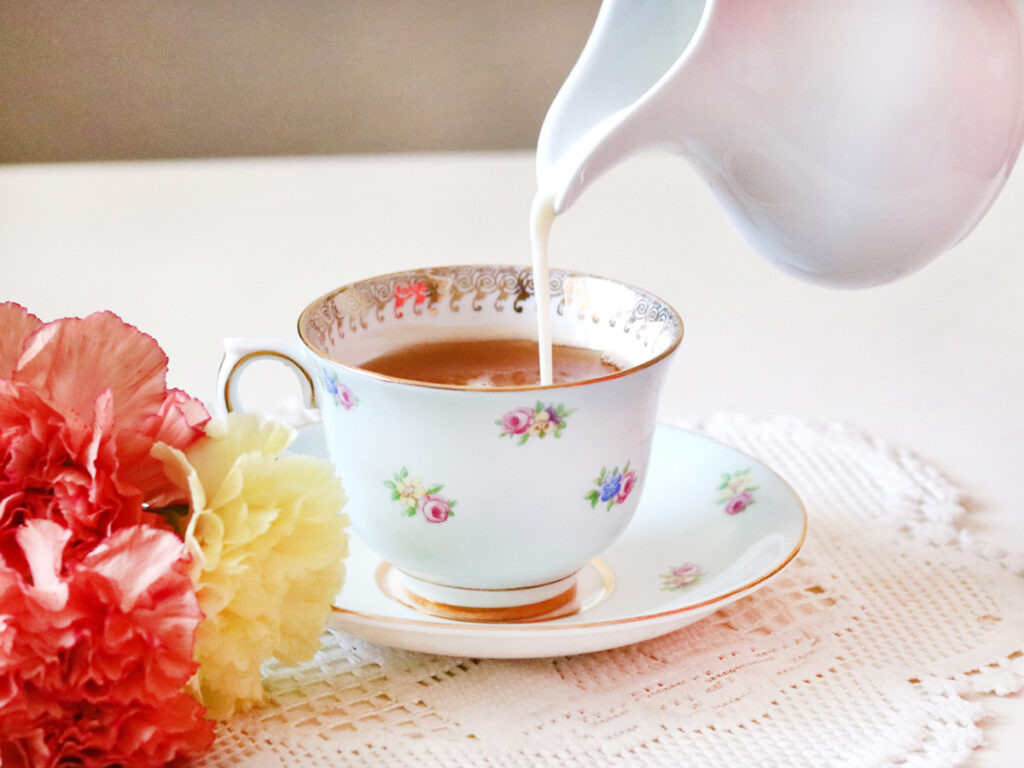 A tea with thicker consistency can be possible by using a creamer. Rather than using milk, you can use cream to get a dense and silky texture. Making this switch will make your tea time more exciting. It is recommended to combine cream with malty black teas. You can also try experimenting with other teas.