
How to Create Japanese Tea Blends: Growing Techniques That Shape Flavor
Creating your own Japanese tea blends requires understanding how cultivation techniques shape the raw materials you’ll work with. Shading, harvest timing, and processing methods directly determine whether a tea contributes sweetness, umami depth, or brisk astringency to your blend. Master blenders in Japan don’t simply mix different teas hoping for balance. They select components based on precise knowledge of how each leaf was grown, which transforms blending from guesswork into an intentional craft you can learn.
The path from tea field to teacup tells you everything about how a particular leaf will behave in your blend. A sencha harvested in late spring carries different characteristics than its first-flush counterpart, not because of varietal differences, but because of how photosynthesis, amino acid development, and catechin formation evolved under specific growing conditions. When tea plants are shaded for weeks before harvest, chlorophyll production intensifies while bitterness-producing compounds remain low. This agricultural reality gives you gyokuro and kabusecha, teas rich in L-theanine that bring creamy, savory notes to any blend.
Professional tea blenders in Shizuoka and Uji have spent generations refining their understanding of these relationships. They know a heavily steamed fukamushi sencha will release flavor faster and add body, while a lightly steamed asamushi provides clarity and a cleaner finish. This isn’t artistic intuition alone. It’s applied knowledge of how steam duration affects cell structure, which changes extraction rates and mouthfeel.
By grounding your blending practice in these cultivation fundamentals, you gain the ability to predict outcomes, troubleshoot imbalances, and develop a personal style rooted in the agricultural traditions that make Japanese tea distinct.
Essential Tools and Materials for Blending Japanese Teas
Creating Japanese tea blends at home requires less equipment than you might think, but choosing the right tools makes the process more precise and enjoyable. The foundation of successful blending lies not in elaborate gadgets, but in having quality base teas from different growing methods and simple tools that let you measure, mix, and evaluate accurately.
The Base Teas: Your Essential Starting Point
Your most important “material” is a selection of Japanese teas grown using different techniques. At minimum, you’ll want at least one shaded tea (kabusecha or gyokuro) for umami depth, a sun-grown sencha for brightness, and ideally a third option like hojicha or a late-harvest sencha for complexity. Sourcing teas from different growing methods isn’t optional, it’s the entire point. Shaded teas provide sweet, rich foundations; sun-grown teas add structure and refreshment; first flush teas bring vibrancy while later harvests contribute mellower, mature notes. Without this variety in your starting materials, you’re just mixing similar flavors rather than creating genuine balance.
Buy small quantities to start, perhaps 50-100 grams of each base tea. This lets you experiment without committing to large amounts before you understand what works together.
Essential Equipment for Blending
Once you have your base teas, these tools will let you blend with precision:
- Digital kitchen scale accurate to 0.1 grams for measuring small test batches consistently
- Clean ceramic or glass bowls (avoid metal, which can affect flavor) for mixing dry leaves
- Small airtight containers (30-50 grams capacity) for storing test blends separately
- Larger opaque, airtight tins or jars for your final scaled-up blends
- Japanese teapot (kyusu) or gaiwan for proper brewing evaluation
- White ceramic tasting cups to observe liquor color accurately
- Notebook or digital document for recording ratios and tasting notes
- Small spoons or scoops dedicated to each base tea to prevent cross-contamination
The digital scale is non-negotiable. Eyeballing ratios makes it impossible to reproduce successful blends or iterate systematically. Even inexpensive kitchen scales work fine as long as they measure tenths of a gram reliably.
Keep everything scrupulously clean and dry. Moisture is the enemy of tea storage, and residual oils or flavors from previous uses will muddy your evaluation of new blends.
Understanding Japanese Tea Growing Techniques That Shape Blends
Shaded Teas: Building Umami Foundations
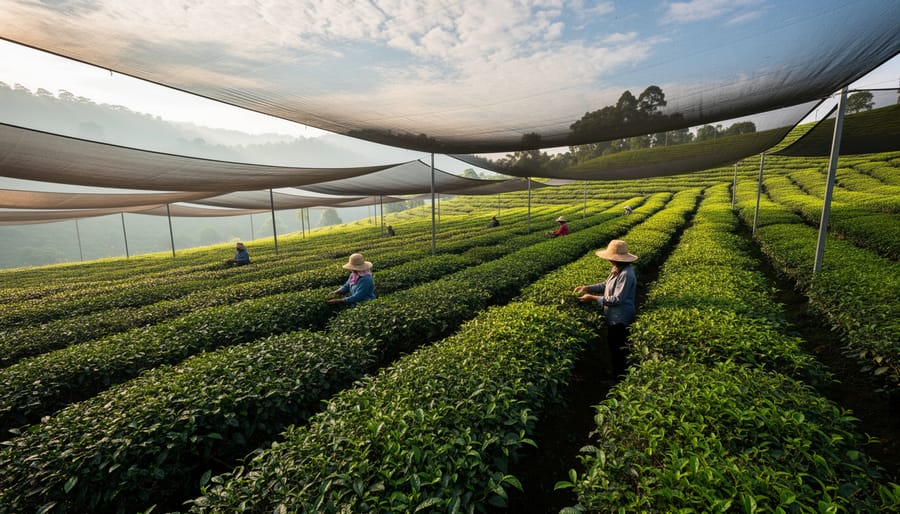
When you block sunlight from tea plants in the weeks before harvest, the leaves respond by ramping up L-theanine production and intensifying their chlorophyll content. This biochemical shift is what makes shaded teas so valuable in blending, shading increases theanine levels while reducing bitter catechins, resulting in teas with pronounced sweetness, silky texture, and that savory umami character Japanese tea lovers prize.
Gyokuro represents the most extreme shading technique. Farmers cover the tea plants with bamboo screens or synthetic shade cloth for 20 to 30 days before picking, blocking roughly 90% of sunlight. The resulting leaves brew into an intensely sweet, almost broth-like liquor with minimal astringency, ideal as a luxurious base note in premium blends.
Kabusecha falls between gyokuro and regular sencha. These plants receive about 50% shade for 7 to 14 days before harvest. The shorter, lighter shading creates a middle ground: more umami and sweetness than sencha, but retaining some of that bright, grassy character. This makes kabusecha incredibly versatile in blending, it adds depth and body without overwhelming other components.
When you’re building a blend, think of shaded teas as your foundation layer. They contribute smooth, rounded sweetness that carries through multiple infusions and softens sharper notes from sun-grown teas.
Sun-Grown Teas: Adding Brightness and Structure
Sun-grown teas form the backbone of most Japanese blends, delivering the crisp brightness and structural backbone that keeps a cup from tasting flat or overly sweet. When tea plants grow under full sunlight without shade nets, they produce higher levels of catechins, the polyphenolic compounds responsible for that refreshing, slightly astringent bite you recognize in classic sencha. Research confirms that full sun boosts catechins substantially compared to shaded cultivation, giving these teas their characteristic vigor.
This astringency is not a flaw but a feature. In blending, sun-grown teas like standard sencha or bancha provide structure that prevents a blend from collapsing into one-note sweetness. They cut through the heavy umami of shaded teas, adding a lively edge that wakes up your palate. Think of them as the citrus note in a recipe, they lift and clarify.
The bright vegetal notes and grassy freshness of sun-grown leaves also contribute length and complexity. When you pair a sun-grown sencha (particularly from spring’s first flush) with a richer kabusecha, you get balance: the sencha’s briskness frames the kabusecha’s depth, creating a blend that evolves across multiple infusions rather than fading after the first steep.
Harvest Timing and Seasonal Character
The tea plant’s metabolism shifts dramatically with the seasons, creating distinct flavor building blocks at each harvest. First flush teas, picked in spring after winter dormancy, concentrate amino acids and chlorophyll while catechin levels remain moderate, resulting in sweet, vegetal notes with less astringency. These shincha teas bring bright, fresh character to blends but can overwhelm if used in excess.
Second flush teas, harvested in early summer, develop higher catechin content as the plant matures under stronger sunlight and warmer temperatures. This creates more structured, slightly astringent profiles that add backbone to blends without the sometimes-delicate sweetness of first flush. Summer teas handle higher ratios in everyday blends where balance matters more than complexity.
Autumn harvest teas, called aki-bancha, grow slowly as temperatures cool and daylight shortens. Lower in both amino acids and catechins, they offer mellow, rounded flavors with subtle earthiness, ideal for adding depth without dominating other components. Many blenders use autumn teas as neutral bases that let shaded or roasted elements shine.
Safety and Quality Considerations Before You Begin
Before you start blending, proper tea handling and storage aren’t just best practices, they’re essential to creating safe, delicious results. Contaminated or degraded base teas will sabotage even the most carefully planned ratios.
Start by sourcing your base teas from reputable suppliers who provide transparency about origin and testing. Non-organic Japanese teas may contain pesticide residues, particularly if sourced from regions with less stringent agricultural regulations. While Japan maintains relatively strict standards, teas from certain growing areas or export-focused farms sometimes show elevated levels of chemicals used to control pests and weeds. If you’re sensitive to these concerns or plan to blend for others, organic certification offers peace of mind. Request certificates of analysis when possible, especially for teas you’ll use as blend foundations.
Storage conditions matter enormously. Keep your base teas in airtight, opaque containers at temperatures below 70°F (21°C) and humidity under 50%. Heat and moisture accelerate oxidation and can introduce off-flavors that transfer into your blends. I’ve seen beautiful gyokuro turn flat and fishy after just weeks in a warm kitchen cabinet.
Prevent cross-contamination by using separate scoops and containers for each base tea, particularly when working with roasted teas like hojicha. Roasted aromas cling to tools and will ghost into delicate sencha or kabusecha if you’re not careful. Wash blending bowls thoroughly between batches, and never store different teas in the same container, even after emptying and wiping it out.
Check your base teas before every blending session. Fresh Japanese green tea should smell grassy, marine, or sweet, never stale, cardboard-like, or sour. If a tea has lost its vibrancy or developed harsh astringency without the balancing sweetness, it’s past its prime and will drag down your blend.
Step-by-Step Process for Creating Your Japanese Tea Blend
Step 1: Select Base Teas from Different Growing Methods
Start with two to three base teas that showcase different growing methods rather than overwhelming yourself with complexity. A solid foundation pairs one shaded tea, kabusecha or gyokuro, with a sun-grown sencha, giving you the umami-rich sweetness of covered cultivation alongside the bright, grassy character of full-sun leaves. If you’re working with three components, add a contrasting element like a second-flush sencha for earthier depth or a lightly roasted hojicha for toasted warmth.
Pay attention to harvest timing when selecting your bases. First-flush shincha brings vibrant, delicate sweetness that can anchor a spring-forward blend, while second or third-flush teas contribute more body and structure. Avoid pairing two highly shaded teas together initially, you’ll lose the tension that makes a blend interesting. Effective tea sourcing means choosing examples that represent their growing method clearly: a sencha that tastes unmistakably sun-grown, a kabusecha with pronounced umami. Start with 10-gram samples of each to keep your experiments affordable while you learn how different cultivation techniques interact in the cup.
Step 2: Create Small Test Batches
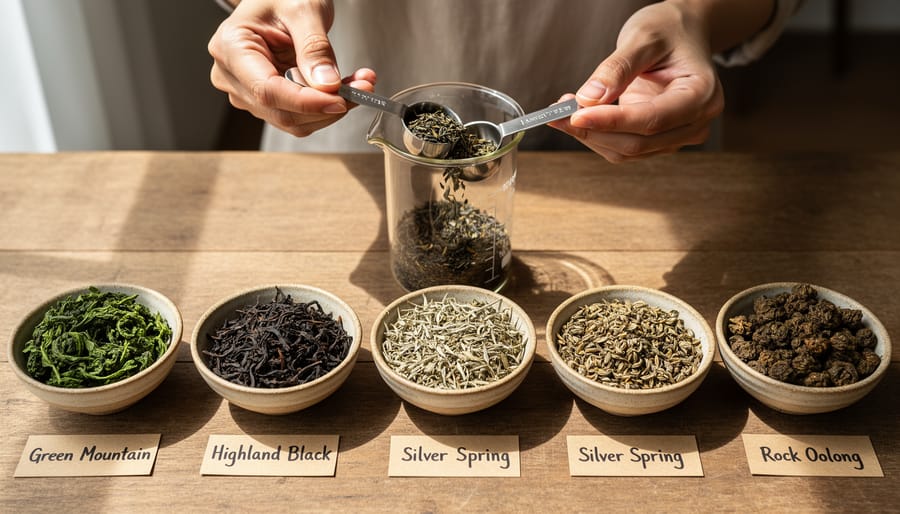
Begin with 10 grams total for your first test batch, enough to brew three small cups while keeping waste minimal if adjustments are needed. Weigh each component precisely using your digital scale; eyeballing ratios leads to inconsistency you can’t replicate later.
For a balanced introductory blend, try 60% sencha (6 grams) as your structural base, 30% kabusecha (3 grams) to add depth and sweetness, and 10% hojicha (1 gram) for subtle roasted warmth. This ratio respects the bright, grassy character sun-grown sencha provides while letting the shaded tea’s umami round out any sharp edges. The hojicha whisper prevents the blend from becoming too vegetal.
Mix the dry leaves gently in your blending bowl until evenly distributed, you should see consistent color throughout rather than distinct pockets of each tea. Label this batch with today’s date and the exact proportions before brewing.
Step 3: Brew and Taste Each Test Blend
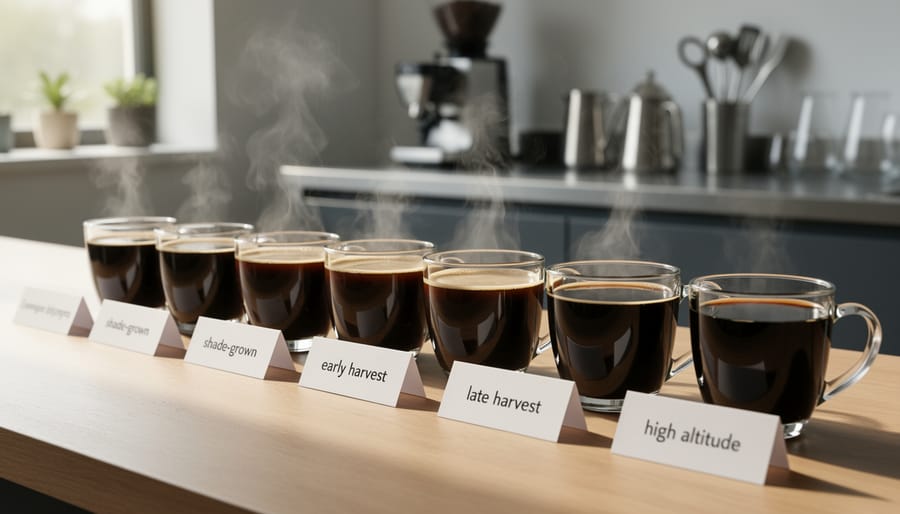
Brew your test blend using consistent parameters: 3 grams of tea per 150ml water at 70-75°C for 60-90 seconds. This brewing technique reveals how growing methods interact without masking flavors through over-extraction. Lower brewing temperature helps you assess balance, shaded teas should contribute smooth umami sweetness, sun-grown varieties a bright, refreshing lift, and any roasted components warmth without bitterness.
Taste systematically: smell the dry leaves first, then the wet leaves after steeping, and finally sip slowly. Notice if the blend feels harmonious or if one element dominates. Shaded tea character appears as silky mouthfeel and savory depth, while sun-grown notes bring grassy freshness and gentle astringency. Jot down immediate impressions, “too flat,” “harsh finish,” “needs more body”, before moving to your next test ratio.
Step 4: Adjust Ratios Based on Flavor Profile
After tasting your test blend, you’ll likely want to refine the balance. The beauty of Japanese tea blending lies in these subtle adjustments, each tweak reshapes the entire profile.
If your blend feels thin or lacks depth, increase the proportion of shaded tea (kabusecha or gyokuro) by 5-10%. These cultivation methods concentrate L-theanine, which delivers the creamy sweetness you’re seeking. Conversely, if the blend tastes too heavy or one-dimensional, dial back the shaded component and add more sun-grown sencha. This introduces catechins that create brightness and a cleaner finish.
For blends that need warmth or accessibility, fold in hojicha or genmaicha, processing transforms the leaf through roasting, mellowing astringency while adding toasted grain or caramel notes.
Document every change precisely. Write down each ratio, your brewing parameters, and tasting observations. This record becomes invaluable when you’re scaling up or troubleshooting future batches. Most successful blends emerge after three to five iterations, so patience pays off.
Step 5: Scale Up and Store Your Final Blend
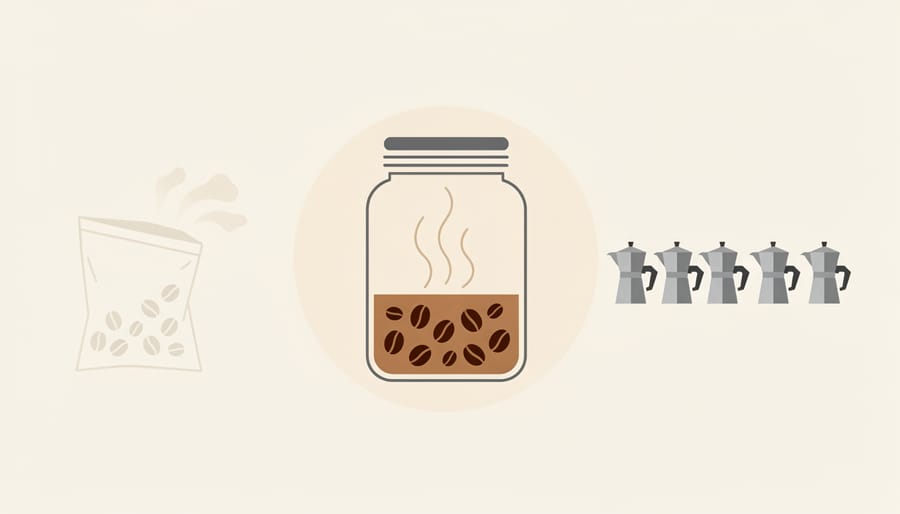
Once you’ve refined your blend through multiple test batches, it’s time to scale up with precision. Use a digital scale to measure each component exactly, multiplying your successful test ratios proportionally. For a 100-gram batch, if your winning formula was 6g sencha, 3g kabusecha, and 1g hojicha, you’d measure 60g, 30g, and 10g respectively.
Mix your components in a large, clean bowl, gently folding the leaves together rather than crushing them. This preserves leaf structure and prevents broken pieces from settling at the bottom, which would create inconsistency.
Transfer immediately to airtight, opaque containers, ceramic or metal tins work best. Glass jars expose tea to light degradation, accelerating flavor loss. Store in a cool, dark cupboard away from spices and strong-smelling foods, as tea readily absorbs ambient odors.
Label each container with the blend name, components, ratios, and creation date. Most Japanese green tea blends maintain peak quality for 3-6 months when stored properly, though they remain drinkable beyond that window.
Classic Japanese Blend Styles to Master
Everyday Sencha Blends
Everyday sencha blends form the backbone of Japanese tea drinking, offering reliable flavor without the cost of premium shaded teas. Start by combining first flush sencha from a single region with second or third flush from the same area, the early harvest brings sweetness and delicate grassiness, while later pickings add body and gentle astringency that prevents the blend from tasting thin. A 60:40 ratio of first to second flush creates satisfying depth.
For more complexity, blend sencha from different terroirs: pair a bright, mineral-driven Shizuoka sencha with a softer, vegetal Kagoshima tea. The regional differences balance each other naturally, with mountain-grown teas contributing clarity and lowland teas adding richness. These everyday blends should taste clean and refreshing through multiple infusions, making them practical for daily brewing without overwhelming the palate.
Premium Umami-Forward Blends
Premium umami-forward blends showcase what happens when you combine Japan’s most meticulously shaded teas with carefully selected sun-grown accents. Start with 60-70% kabusecha or gyokuro as your foundation, these shaded teas bring intense L-theanine sweetness and that coveted brothy richness. Add 20-30% high-grade first-flush sencha to provide structure and prevent the blend from becoming too thick or syrupy on the palate. The sencha’s bright notes cut through the umami density, creating dimension rather than one-note sweetness. Consider finishing with 5-10% lighter kabusecha from a different region to add complexity within the umami spectrum itself. These blends demand lower brewing temperatures (140-160°F) and shorter steeps (45-60 seconds) to preserve their delicate amino acid profiles.
Roasted and Toasted Blends
Roasted and toasted blends represent one of the most approachable tea blend styles in the Japanese repertoire, combining the grassy vitality of fresh green teas with the warm, comforting character of roasted leaves or toasted rice. Hojicha, made by roasting bancha or sencha at high temperatures, brings nutty, caramel notes and a reddish-brown liquor that softens the astringency of sun-grown teas. A classic ratio starts with 40% hojicha paired with 60% fresh sencha, though reversing these proportions creates a deeper, more toasted profile ideal for evening drinking since roasting reduces caffeine content. Genmaicha blends incorporate toasted rice alongside green tea, traditionally using bancha or lower-grade sencha as the base. The rice adds a popcorn-like sweetness that makes the blend exceptionally food-friendly and welcoming to newcomers. Try blending 50% sencha, 30% hojicha, and 20% toasted rice for a layered cup that showcases both fresh cultivation and transformative processing. These blends work particularly well when you want complexity without intensity, bridging the gap between traditional green tea and more oxidized styles.
Verifying Your Blend’s Success and Next Steps
After you’ve scaled up your blend and stored it properly, the real test begins. A successful Japanese tea blend isn’t just one that tastes good on the first brew, it’s one that delivers consistent character over multiple infusions and maintains its balance over time.
Start by brewing your blend at least three times over the course of a week, following the same step-by-step brewing parameters each time. Pay attention to whether the umami, brightness, and any roasted or toasted notes remain in harmony, or if certain elements start to dominate or fade. A well-crafted blend should taste essentially the same across these trials, with only minor variations due to water or mood.
Next, share your blend with other tea drinkers whose palates you trust. Don’t tell them what you were aiming for, just ask what they notice. Do they find it balanced? Does one quality overpower the others? Sometimes a blend that tastes perfect to you reveals an imbalance when experienced by fresh senses. This feedback is especially valuable if you’ve been tasting the same blend repeatedly during development.
Here’s what indicates you’ve achieved a successful blend:
- The flavor profile remains consistent across three separate brewing sessions
- No single component dominates or creates harshness or imbalance
- The blend delivers a clear, cohesive character rather than tasting like separate teas
- Other tasters describe the qualities you intended to create
- The aroma and flavor don’t degrade noticeably after two weeks of proper storage
If your blend passes these tests, it’s complete. If not, return to your ratio adjustments with specific goals: reduce the overpowering element by five to ten percent, or add more of what’s missing. Trust the process, most traditional blenders iterate several times before settling on their final formula.
Expert Insights: Perspectives from Japanese Tea Blenders
I reached out to several tea professionals who work directly with Japanese tea farms to understand how they approach blending with cultivation techniques in mind. Their perspectives reveal a deeper philosophy that connects agricultural practice with the art of balance.
Kenji Yamamoto, a third-generation tea blender from Uji, emphasized that respecting the farmer’s work is fundamental. “When you blend, you’re not just mixing leaves. You’re combining months of careful cultivation decisions. A kabusecha farmer might have covered their plants for exactly 14 days to achieve a specific umami level. If you understand that intention, you blend more thoughtfully.” He explained that the best blenders visit farms during shading and harvest to see these techniques firsthand, which informs their ratios and combinations.
Seasonal timing emerged as a crucial consideration. Maya Tanaka, who sources teas from Shizuoka and Kagoshima, noted that she never blends shincha with autumn harvest teas in the same batch. “They represent opposite points in the plant’s annual cycle. Shincha carries the explosive energy of spring growth, all that stored winter nutrition. Autumn teas are contemplative, mellower. Mixing them creates confusion rather than complexity.”
The philosophy of balance in Japanese tea culture differs significantly from Western approaches to blending, according to these experts. Rather than creating bold contrasts, Japanese blenders seek harmony where each component supports the others without dominating. Hiroshi Nakamura from Kyoto described it as “making the teas sing together, not compete for attention.”
Several blenders warned against over-complicating blends. Two or three base teas from complementary growing methods typically create more coherent results than elaborate five-tea combinations. The goal is enhancing character that already exists in well-cultivated leaves, not masking it.
How to Check Your Work
A successful Japanese tea blend reveals itself in three consistent qualities: balanced flavor across multiple steepings, harmonious aroma, and a clean, pleasant finish. Brew your blend at least three times using standard parameters (70-80°C water, 60-90 second steeping). The first infusion should show immediate balance, no single component overwhelming others. The second and third steepings test depth; a well-crafted blend maintains character rather than collapsing into flatness or bitterness.
Look for sensory harmony. Umami from shaded teas should integrate smoothly with brightness from sun-grown leaves, not clash. The aroma should invite rather than confuse. Share samples with experienced tea drinkers whose palates you trust, fresh perspectives catch imbalances you’ve grown accustomed to.
Your blend should also deliver the health benefits and functional qualities you intended, whether calming L-theanine richness or invigorating catechin brightness.
Consider consulting a professional tea blender if your blend tastes muddy despite multiple adjustments, if base teas seem inconsistent batch-to-batch, or if you’re planning commercial production requiring regulatory compliance and quality control systems beyond home-scale capabilities.
Common Questions About Japanese Tea Blending
Japanese tea blending raises practical questions, especially for those just starting to work with teas grown using different cultivation techniques. Here are answers to the most common concerns that come up when creating your own blends.
Where should I source teas for blending if I want specific growing methods?
Look for specialty tea vendors who specify cultivation details like shading duration, harvest flush, and region. Reputable online retailers often list whether teas are gyokuro (fully shaded), kabusecha (partially shaded), or standard sencha, along with harvest timing. Starting with sample sizes from 2-3 trusted vendors lets you compare how different growing techniques express themselves before committing to larger quantities.
How long do Japanese tea blends stay fresh?
Blends maintain peak quality for 2-4 months when stored properly in airtight, opaque containers away from heat and moisture. Shaded teas like gyokuro decline faster than roasted components like hojicha. Date your blends and consume them within one season for the best experience, as the delicate umami notes from shaded growing methods fade first.
Does blending multiple teas diminish their individual quality?
Thoughtful blending enhances rather than diminishes quality when you understand how cultivation techniques complement each other. Master blenders in Japan routinely combine teas from different growing methods to achieve balance that no single tea provides alone. The key is respecting each tea’s character rather than masking it.
Can I experiment with unconventional blends while still honoring Japanese tea tradition?
Tradition provides a foundation, not a cage. Japanese tea masters have always innovated within their craft, and modern blenders continue evolving the practice. Start by mastering classic combinations of shaded and sun-grown teas, then experiment once you understand why traditional ratios work. The principle of balance matters more than rigid adherence to historical recipes.
Many blenders worry about “ruining” expensive gyokuro or first flush sencha by mixing them with more affordable teas. Think of premium shaded teas as seasoning rather than the entire dish. A small percentage of kabusecha can elevate a blend without requiring you to use it as the dominant component. This approach respects both your budget and the tea’s character.
If your blend doesn’t taste right after a few days, the issue usually stems from incompatible moisture levels or oxidation rates between components rather than poor ratio choices. Teas processed and stored differently will age at different speeds once combined. This is why starting with fresh, properly stored base teas matters more than finding the perfect ratio. When components are at their peak, your blend will be too.
Start your blending journey with just two teas. A straightforward combination of sencha and kabusecha, or sencha with hojicha, teaches you more about how growing techniques shape flavor than any complex recipe could. You’ll taste immediately how shading sweetens and how sun exposure brightens. These simple pairings build your palate and your confidence.
What separates casual mixing from true craftsmanship is understanding why teas work together. When you know that kabusecha’s three weeks of shade created its silky umami, or that your sencha’s briskness comes from full sun and careful steaming, you’re not just following ratios. You’re orchestrating the work of farmers, seasons, and centuries of cultivation knowledge. This awareness transforms blending into something meaningful.
The teas in your cupboard carry stories written in their leaves during months of growth. First flush picked under spring sun tastes nothing like autumn harvest because the plant lived through different conditions, developed different compounds, pursued different survival strategies. Your blends honor these natural rhythms when you pair them thoughtfully.
Japanese tea offers endless regional and seasonal variations to explore. Each prefecture grows its cultivars differently. Each harvest window captures unique weather and soil conditions. As you experiment, you’ll discover combinations that speak to your palate while respecting the cultivation techniques that made them possible. The learning never stops, and that’s the beauty of it.