
Better Booch Kombucha Is Doing Something Different With Yuzu, Ginger, and Yerba Maté
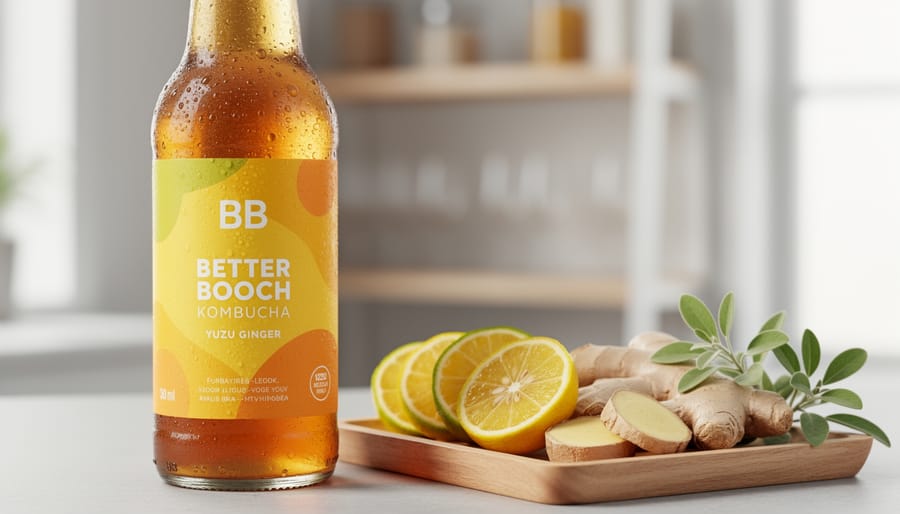
Better Booch Kombucha is a bottled, fermented tea drink sold under the “better booch” name, and the latest talking point is Yuzu Ginger, a new seasonal flavor introduced on July 8, 2026. It pairs yuzu, ginger, and yerba maté, and it comes from a collaboration with artist Katharine T. Jacobs. If you’re wondering whether it’s worth a try, the combination alone makes a good case: yuzu is the fragrant Japanese citrus that sits somewhere between grapefruit and mandarin, ginger adds a warm, peppery edge, and yerba maté brings the earthy, grassy depth that South American tea drinkers have prized for generations.
That’s three tea and plant traditions from three continents in one bottle, which is exactly the kind of crossover we love here at The Tea Gurus.
Price matters too, and the baseline is friendly. Better Booch Kombucha Morning Glory in the 16 fl oz size is listed at $3.99, so trying a bottle won’t cost much more than a coffee-shop pastry. Below, we’ll break down what the brand is, what’s in the flavors, and how to taste each one properly, so you can decide if the newest release deserves a spot in your fridge.
What “Booch Kombucha” Really Means (and Why Everyone’s Shortening the Name)
Kombucha is fermented tea, and the way it gets that way is surprisingly simple. Sweetened tea is combined with a SCOBY symbiotic bacteria and yeast culture, then left to ferment. The microbes consume the sugar and transform the tea into something tangy, lightly effervescent, and a little vinegary. That’s the whole trick, and it’s why a bottle can taste like anything from crisp and bright to mellow and earthy depending on the tea and flavorings behind it.
So where does “booch” come from? It’s just a friendly shortening, the kind of nickname a drink earns once it leaves specialty shops and lands in everyday fridges. Say “booch kombucha” and people know exactly what you mean. The shorter the word, the easier it is to toss into conversation, and that casual ease is part of how the drink went mainstream.
Fermented tea isn’t a one-culture story, either. If you’re curious about the origin of kombucha you’ll find a long, winding history rather than a single tidy starting point. And kombucha has plenty of company: across the tea world, pickled tea leaves, aged dark teas, and other fermented traditions all show how much flavor microbes can build.
A few terms are worth keeping straight as you read on:
- Kombucha
- A tea that has been sweetened and fermented with a live culture, giving it a tart, slightly fizzy character.
- Booch
- An informal nickname for kombucha, used casually by fans and brands alike.
- SCOBY
- Short for symbiotic culture of bacteria and yeast, the living starter that drives fermentation.
- Fermentation
- The process where microbes break down sugars, creating the acidity and gentle bubbles kombucha is known for.
Keep those handy, because they’ll come up again as we get to the flavors.
Meet Better Booch Kombucha
A Price Point Worth Noting
A listed price of $3.99 for a 16 fl oz bottle of Morning Glory gives you a handy yardstick for what a single serving of Better Booch Kombucha can cost. That works out to a few dollars for a full bottle, which is roughly what many people expect to spend on a ready-to-drink fermented tea.
Keep in mind that this is a listed price, not a guarantee. Retailers set their own pricing, and numbers can shift over time with promotions, restocking, or seasonal changes. Before you head out or click “add to cart,” check the price on the shelf or listing in front of you, and treat $3.99 as a reference point rather than a fixed rule.
The Yuzu Ginger Flavor: Key Details at a Glance
Here’s what we can say with confidence about Yuzu Ginger, the newest seasonal flavor turning heads in the booch kombucha conversation. It arrived as a brand new seasonal release on July 8, 2026, and it’s a collaboration with artist Katharine T. Jacobs. The ingredient list is short and intriguing: yuzu, ginger, and yerba maté.
| Detail | What We Know |
|---|---|
| Flavor name | Yuzu Ginger (seasonal) |
| Launch date | July 8, 2026 |
| Collaborator | Artist Katharine T. Jacobs |
| Key ingredients | Yuzu, ginger, and yerba maté |
| Reference price | $3.99 for the Morning Glory flavor (16 fl oz) |
A quick note on that last row. The $3.99 figure belongs to Morning Glory, a different flavor, and it’s the only price we have for this line. Treat it as a reference point for everyday pricing, not a promise about what Yuzu Ginger costs. We also haven’t confirmed where the new flavor is sold, so the label and your preferred retailer’s listing are the best places to check.
What stands out is the pairing itself. Citrus, warming spice, and a South American herbal brew rarely share a bottle, and the word “seasonal” suggests it’s meant to be savored while it lasts. Think of it as a limited-run experiment worth tasting with curiosity.
Tasting the Ingredients: Yuzu, Ginger, and Yerba Maté
Yuzu: Citrus With a Perfume
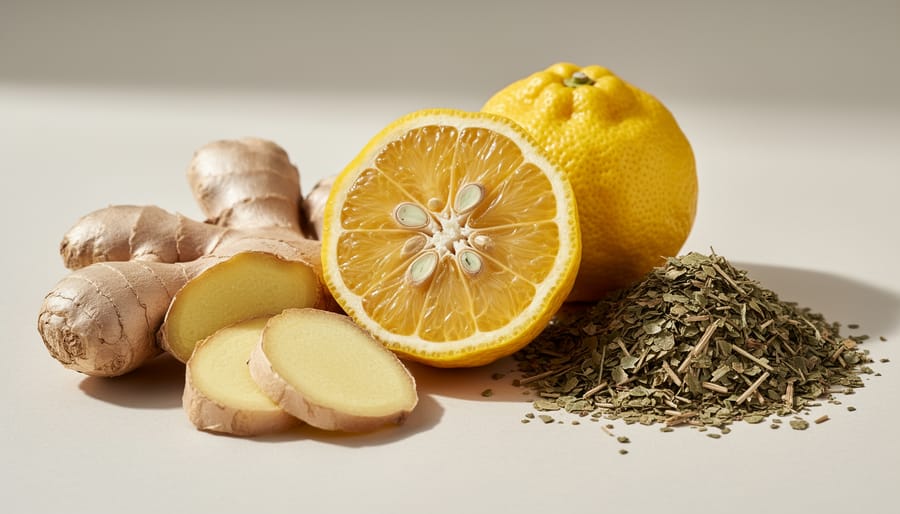
Yuzu is a knobby East Asian citrus with a scent that fills a room the moment it’s cut. Its flavor sits somewhere between grapefruit, mandarin, and lemon, tart and floral at once, with an aromatic peel that does much of the work. In Japan, yuzu shows up in ponzu and in winter baths, and its zest brightens tea and sparkling drinks. In Korea, yuzu is preserved in sugar to make yuja-cha, a fragrant citron tea sipped hot on cold days. That perfumed tartness is why yuzu pairs so naturally with a fermented tea like the Yuzu Ginger flavor.
Ginger and Yerba Maté: Warmth Meets Earthiness
Ginger has traveled through nearly every tea culture on earth, from spicy masala chai in India to the soothing mugs of ginger tea steeped across China and Southeast Asia. Its warmth adds a gentle heat that lingers on the finish. Yerba maté brings a different mood. It is grassy, earthy, and slightly bitter, and Yerba maté shaped South America as a shared social ritual passed from hand to hand.
Set beside fermented tea, they make sense. Kombucha’s bright tang gives ginger something to sparkle against, while maté’s deep, herbal backbone rounds out the sourness. It’s a pairing worth sipping slowly.
When Art Meets Fermentation: The Katharine T. Jacobs Collaboration
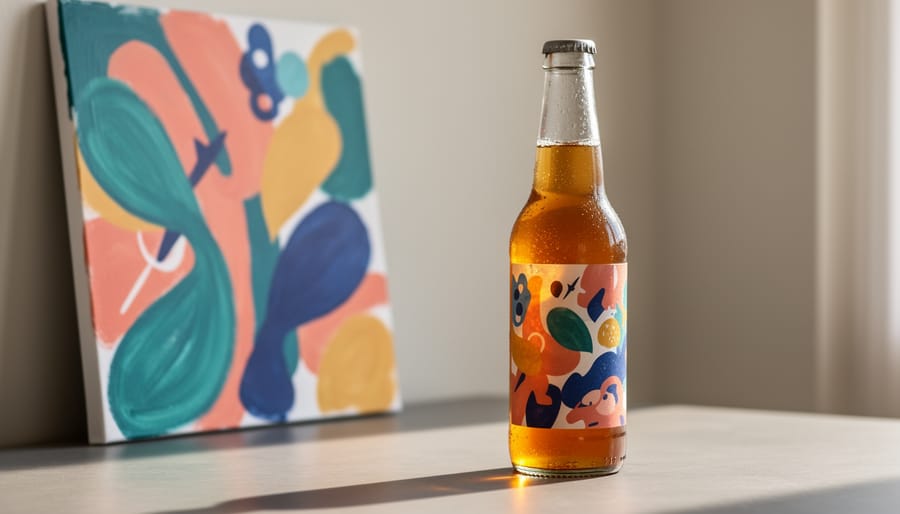
Think about the last time a label made you pick up a bottle you might have walked past. Artist collaborations work that way across the drinks world: they turn a shelf item into something closer to a small canvas, and they tell you something about the maker’s taste before you taste anything.
For Better Booch Kombucha, the seasonal Yuzu Ginger flavor is a collaboration with artist Katharine T. Jacobs. That’s the verified detail, and it’s a good prompt for thinking about how art and fermentation meet.
Packaging sets expectations. Color, illustration and typography shape how we imagine a flavor, whether bright and citrusy or warm and spiced, long before the cap comes off. In tea culture this is nothing new. Tea tins, ceramics and gift boxes have long been part of the ritual, and the vessel is part of the experience.
So when you pour a bottle, give the artwork a moment. Notice what it makes you expect, then see whether the first sip agrees. It’s a small habit, but it makes drinking more attentive.
How to Choose and Enjoy a Better Booch Kombucha
Start with the label. A good bottle tells you what’s inside in plain language: tea, the fermentation culture, and the flavorings, such as yuzu, ginger, and yerba maté in the new Yuzu Ginger release. Short, recognizable ingredient lists make it easier to know what you’re actually tasting. If you’re curious about the process behind it, you can even make kombucha at home and learn how a few simple ingredients become something fizzy and tangy.
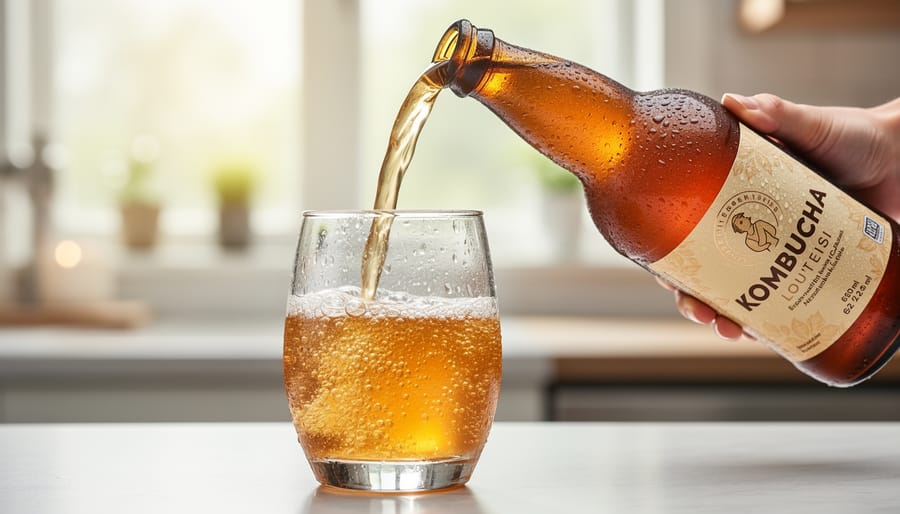
Serve it well chilled. Cold temperatures keep the carbonation lively and the tartness crisp, while a bottle that’s warmed up can taste flat or overly sharp. Open it gently, since fermented drinks can fizz up quickly, and pour it into a glass instead of drinking straight from the bottle. A glass lets you catch the aroma first, whether that’s bright citrus, warm spice, or an earthy herbal note, and aroma is half of what we call flavor.
Pairing is easy once you think of kombucha as a palate cleanser. Its acidity cuts through rich, salty, or fried foods, and citrus-forward flavors work nicely with fresh salads, noodles, or anything with a little heat. Keep your bottles in the refrigerator, and check the label for any storage guidance specific to the product.
We’d love to hear how your bottle tastes. What did you notice on the first sip, and what would you pair it with next time? Share your impressions with the Tea Gurus community. And if you’re a brewer, tea sommelier, or fermentation specialist with tasting wisdom of your own, we’d welcome the chance to feature your perspective in a future collaboration.
Common Questions About Booch Kombucha
Curious about booch kombucha but not sure where to start? These are the questions newcomers ask most, answered plainly.
What is the difference between kombucha and regular tea?
Regular tea is simply leaves steeped in hot water. Kombucha starts with brewed tea but is then fermented with a SCOBY, a culture of bacteria and yeast, which gives it a tangy, lightly effervescent character. If you want a refresher on the leaves themselves, our guide to tea varieties explained is a good place to begin.
Why is it called “booch”?
“Booch” is just a casual nickname for kombucha. It caught on as the drink became more familiar, the same way people shorten many everyday favorites.
What does yerba maté add to a flavor like Yuzu Ginger?
Yerba maté is a South American plant traditionally steeped as a drink, and it brings an earthy, slightly grassy note. In Yuzu Ginger, it sits alongside the citrusy yuzu and warming ginger.
How should kombucha be stored?
Keeping it in the refrigerator is the usual approach for bottled kombucha, and serving it chilled tastes best. Always check the label on your bottle for the maker’s own storage guidance.
Beyond these basics, labels are your best friend. Ingredient lists, serving suggestions, and storage notes all vary from bottle to bottle, so a quick read before the first sip tells you more than any general rule can.
Have a question we missed? Tell us what you’d like to know, and we’ll keep exploring the world of fermented tea together.
Booch kombucha has moved from specialty shelves into everyday conversation, and Yuzu Ginger shows how much room there is to play. Pairing yuzu, ginger, and yerba maté in a seasonal flavor introduced on July 8, 2026, and teaming up with artist Katharine T. Jacobs, proves that fermented tea can be as creative as any craft drink.
So next time you spot a new bottle, pour it into a glass, breathe in the aroma, and sip with curiosity. Then come tell the Tea Gurus community what you tasted. We’d love to hear it.