
How to Craft Your Own Holiday Tea Blends: A Step-by-Step Guide
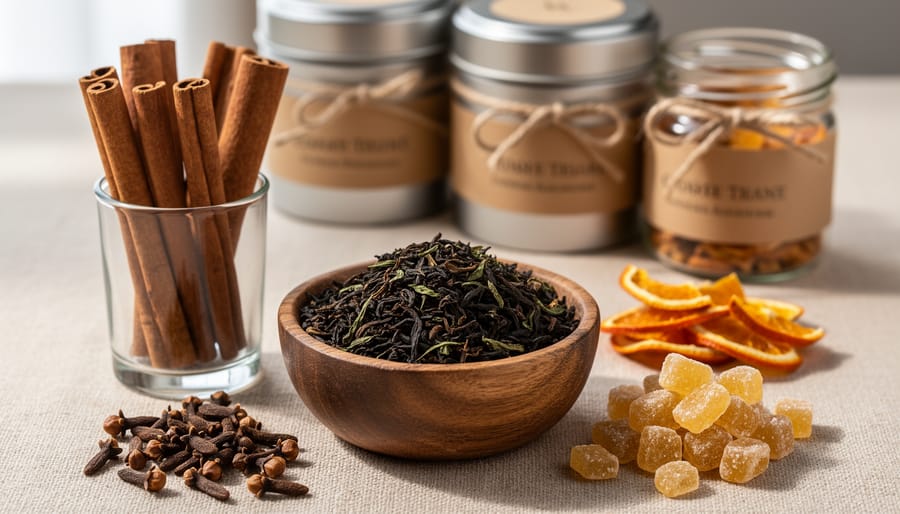
Creating holiday tea blends at home takes about 30 minutes and requires only four things: quality base tea, complementary spices and dried fruits, measuring tools, and airtight containers. The process involves selecting a black, green, or herbal foundation, layering traditional warming spices like cinnamon and clove, adjusting proportions through small-batch testing, and allowing the blend to rest for 24 to 48 hours so the flavors marry properly.
The beauty of crafting your own holiday blends lies in both control and creativity. Commercial seasonal teas often rely on artificial flavorings to deliver that festive punch, but homemade versions let you work with whole spices, real vanilla bean, candied ginger, and organic citrus peel. You decide the sweetness level, the spice intensity, and whether your blend leans toward classic mulled wine notes or something brighter with cranberry and orange. This approach also connects you to a global tradition: chai wallahs in India have blended their own masala chai for generations, while Moroccan tea culture celebrates mint blends personalized to each household’s taste.
For tea enthusiasts ready to move beyond steeping someone else’s vision, blending your own holiday teas offers a chance to explore flavor layering, understand how different ingredients interact with heat and time, and create something genuinely personal. Whether you’re preparing gifts for friends, stocking your own pantry for winter mornings, or experimenting with regional spice profiles from German glühwein-inspired blends to Japanese yuzu combinations, the fundamentals remain the same. Start with intention, measure carefully, taste often, and let the ingredients guide you toward balance.
What Makes a Holiday Tea Blend Special
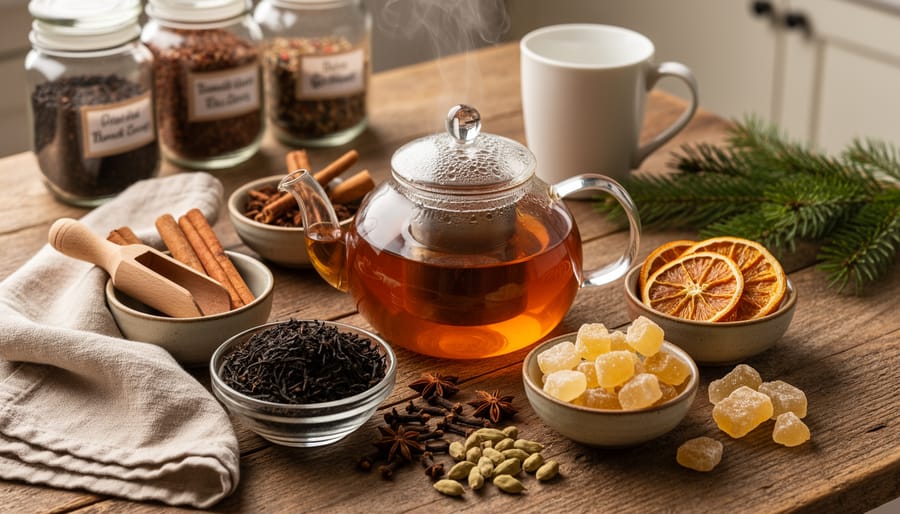
Holiday tea blends capture the essence of winter celebrations through a distinctive combination of warming spices, rich aromatics, and nostalgic flavors that transform an ordinary cup into a sensory experience. Unlike the clean, straightforward profiles of everyday teas, holiday blends layer complexity, think cinnamon’s sweet heat mingling with clove’s pungent depth, or orange peel’s bright citrus notes balanced against vanilla’s creamy comfort. These blends deliberately evoke cozy firesides, festive gatherings, and the comforting rituals that define the season.
The tradition of spiced winter teas spans continents and centuries. In India, masala chai has long combined black tea with cardamom, ginger, cinnamon, and black pepper, a warming blend that gained prominence during cold months but remains popular year-round. European traditions favor spiced black teas studded with cloves, star anise, and dried fruits, often served during Christmas markets and winter festivals. Scandinavian countries embrace blends with warming ginger and citrus, while Middle Eastern cultures incorporate rose petals and warming cardamom into their winter tea traditions. Each culture brings distinct spice palettes and preparation methods, yet all share the common goal of creating beverages that provide both physical warmth and emotional comfort during the darkest, coldest time of year.
What sets holiday blends apart from everyday teas is their deliberate embrace of bold, festive flavors that might overwhelm during warmer months. While Chinese herbal blends often emphasize balance and wellness, and Japanese tea blends showcase subtle umami and refined simplicity, holiday blends celebrate intensity and abundance. They typically feature multiple spices working in concert, creating aromatic clouds that fill the kitchen as they steep. The best holiday blends achieve harmony despite this complexity, no single spice dominates, and the base tea remains discernible rather than disappearing beneath the additions.
Essential Tools and Ingredients for Blend Crafting
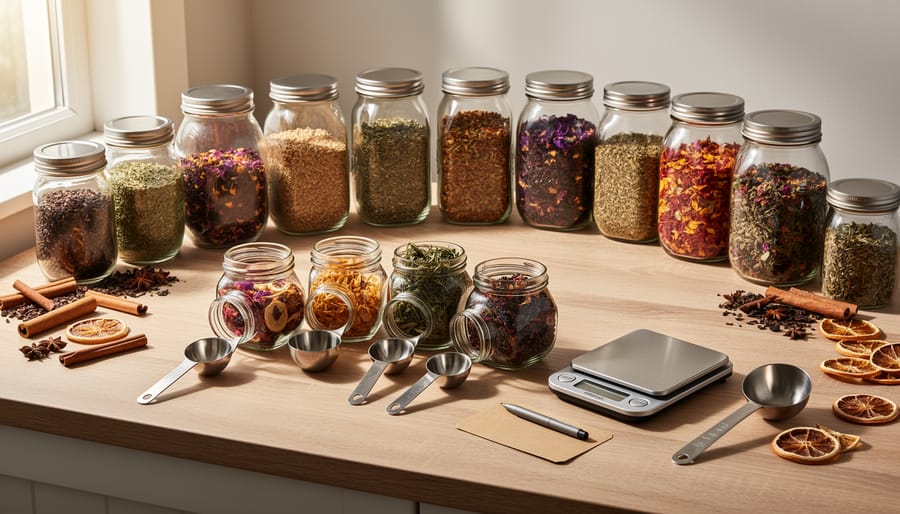
Choosing Your Base Tea
Your base tea forms the canvas for your holiday blend, and choosing wisely sets the stage for success. Black tea remains the traditional choice for spiced holiday blends, robust varieties like Assam or Ceylon stand up confidently to cinnamon, cloves, and ginger without being overwhelmed. Their malty, full-bodied character provides the backbone that holds bolder spices together.
Green tea works beautifully when you want a lighter, more delicate holiday experience. Chinese sencha or dragonwell pairs well with citrus, vanilla, and gentler aromatics, creating festive blends that won’t weigh you down. Just remember that green tea’s subtlety means you’ll need a lighter hand with spices.
Rooibos has become increasingly popular for caffeine-free holiday blends. Its naturally sweet, slightly nutty profile complements warm spices exceptionally well, making it perfect for evening sipping or for guests avoiding caffeine.
Oolong occupies the middle ground, offering complexity without overwhelming intensity. A medium-oxidized oolong can handle moderate spicing while contributing its own layered flavors.
Quality matters more than you might think. Source whole-leaf tea when possible, broken grades release flavor too quickly and can turn bitter under longer steeping times that holiday spices often require. Look for fresh harvests from reputable suppliers, as stale base tea undermines even the most thoughtfully chosen spices.
Selecting Complementary Spices and Aromatics
Choosing spices that complement rather than clash requires understanding their relative intensities. Cinnamon and ginger bring warmth without overwhelming, making them reliable foundation spices. Cloves and star anise pack considerably more punch, use them sparingly, as even a slight excess can dominate your entire blend. Cardamom offers aromatic complexity but needs a light hand. Start with less than you think necessary; you can always add more after tasting.
Freshness matters tremendously. Stale spices contribute dusty, flat notes instead of vibrant flavor. Crush a piece between your fingers, it should release immediate, strong aroma. If the scent is faint or musty, replace it.
Whole spices maintain potency far longer than ground versions, typically staying fresh for two years versus six months. Whole cinnamon sticks, cardamom pods, and star anise also look beautiful in finished blends. However, they require longer steeping times. Ground spices release flavor quickly but turn your tea murky and lose vibrancy within weeks of grinding.
For holiday blends you’ll use within a month, grinding fresh just before mixing delivers peak flavor. For gift blends or longer storage, stick with whole spices and recommend recipients steep them longer.
Important Safety and Quality Considerations
Before you begin blending, understand that safety and ingredient quality directly impact both the enjoyment and healthfulness of your finished tea. Using food-grade ingredients is non-negotiable. Culinary spices, teas, and botanicals are processed and stored differently than decorative or craft-grade versions, which may contain pesticides, dyes, or contaminants unsafe for consumption. Purchase ingredients from reputable tea suppliers, spice merchants, or grocery stores that clearly label products as food-safe.
Allergen awareness matters especially when gifting blends. Nuts, certain flowers (like lavender or chamomile), citrus peels, and even some spices can trigger reactions. Label your blends with a complete ingredient list so recipients can make informed choices. Steer clear of plants not explicitly sold for tea or culinary use, some ornamental flowers and herbs are toxic when ingested, and internet advice isn’t always reliable.
Proper storage prevents contamination and preserves freshness. Keep your workspace, tools, and containers scrupulously clean. Store finished blends in airtight glass or food-grade plastic containers, away from heat, moisture, and direct sunlight. Most holiday blends stay vibrant for three to six months; whole spices last longer than ground, and dried citrus peels fade faster than cinnamon sticks.
Recognizing staleness is straightforward: ingredients lose aroma, colors dull, and flavors turn flat or musty. If your base tea smells stale, or spices lack their characteristic punch, discard them. Moisture exposure leads to mold, any visible growth or off odors mean the blend is unsafe. These precautions apply whether you brew oolong blends or craft spiced black tea, and they remain critical even when adjusting variables like oolong temperature for lighter bases. Quality ingredients handled carefully yield blends that are both delicious and safe to share.
Step-by-Step Process for Creating Your Holiday Blend
Step 1: Design Your Flavor Profile
Start with a clear vision before you touch any ingredients. Think about the mood you want to create, cozy fireside warmth, bright winter citrus, or nostalgic spiced comfort. Choose one or two dominant notes that will define your blend, such as cinnamon-orange for festive brightness or ginger-vanilla for creamy warmth.
Understanding flavor layers makes all the difference. Top notes are what you smell first, bright citrus peel, sharp peppermint, or floral elements that hit immediately. Middle notes form the heart of your blend, warming spices like cardamom, nutmeg, and cloves that develop as you sip. Base notes provide depth and staying power, your tea foundation, vanilla, roasted nuts, or earthy roots that linger on the palate.
Consider your audience and occasion. A morning blend benefits from energizing citrus and ginger. Evening blends work better with calming vanilla and cinnamon. Making a gift? Think about the recipient’s preferences, do they love bold spices or prefer subtle sweetness? Write down your vision in specific terms: “warm, spiced, slightly sweet with prominent cinnamon and subtle orange.” This clarity guides every choice that follows.
Step 2: Determine Your Ratios
Start with a reliable formula: 70-80% base tea, 15-25% spices and aromatics, and up to 5% accent ingredients like dried fruit or flowers. This foundation keeps your tea recognizable while letting seasonal flavors shine through.
For a simple 100-gram batch, try 75 grams of black tea, 20 grams of mixed spices (cinnamon, cloves, ginger), and 5 grams of orange peel. Potent spices like clove or star anise need restraint, start with just 2-3% of your total blend, or they’ll overwhelm everything else. Gentler aromatics like cinnamon or dried apple can reach 8-10% without dominating.
Write down your ratios in grams or teaspoons, not vague “pinches.” Precision lets you recreate successful blends and troubleshoot weak ones. If you’re making a single 25-gram trial batch, use 18 grams tea, 5 grams cinnamon chips, 1.5 grams ginger, and 0.5 grams clove. These proportions scale up or down easily once you’ve nailed the balance.
Step 3: Prepare Your Ingredients
Start by measuring your base tea and spices precisely, use a digital kitchen scale for accuracy, especially when working with potent spices like cloves or star anise where even a gram can shift the balance. Uniform sizing matters: break cinnamon sticks into half-inch pieces using your hands or kitchen shears, snip larger dried fruits into pea-sized bits, and tear oversized citrus peels into consistent strips. This ensures even flavor distribution throughout your blend and prevents any single cup from being overwhelmingly spiced or bland.
For whole spices, gentle crushing releases essential oils without creating fine dust that clouds your tea. Place cardamom pods, allspice berries, or peppercorns in a clean kitchen towel, fold it over, and press firmly with a rolling pin or the flat side of a heavy knife, you want them cracked open, not pulverized. Work with fresh, aromatic ingredients; if a spice doesn’t smell vibrant when you break it, it won’t contribute much to your blend.
Step 4: Mix and Marry Your Blend
Place all your measured ingredients into a clean, dry mixing bowl, ideally glass or ceramic, which won’t retain odors from previous blends. Using clean hands or a wooden spoon, gently fold the components together with sweeping motions rather than vigorous stirring. You want to distribute everything evenly without crushing delicate leaves or breaking down spices into powder, which can create bitterness.
Once thoroughly combined, transfer the blend to an airtight container and resist the urge to brew immediately. This resting period, which tea blenders call “marrying,” lets the essential oils from your spices migrate into the tea leaves and allows all the aromatics to intermingle. Store your sealed container in a cool, dark spot for 24 to 48 hours, giving it an occasional gentle shake to encourage the process.
During this marriage, you’ll notice the aroma intensifying when you open the container. The tea absorbs surrounding scents, creating a more cohesive flavor profile than you’d get from freshly mixed ingredients. After this rest period, your blend is ready for that crucial first tasting.
Step 5: Conduct Initial Taste Testing
Now that your ingredients are mixed, it’s time to evaluate your creation. Brew a small test batch using one teaspoon of your blend per six ounces of water. Start with your base tea’s recommended temperature, boiling for black tea or rooibos, slightly cooler for green tea or oolong.
Steep for three minutes first, then taste. Note the flavor balance: Can you identify each component? Does one spice overpower the others? Is the base tea strong enough to support the aromatics? Pour a second cup and steep for five minutes to see how the profile develops with longer extraction. Holiday blends often reveal different characteristics at various strengths.
Take detailed notes immediately. Write down what works (that perfect cinnamon warmth) and what doesn’t (too much clove bitterness). Describe the aroma, the first sip, and the finish. These observations become your roadmap for refinement. If possible, taste your blend at different times of day, your palate changes, and a morning evaluation might reveal nuances you missed in the evening.
Step 6: Refine and Adjust Your Recipe
After your initial tasting, resist the urge to overhaul everything at once. Make small, measured adjustments, add a quarter teaspoon of cinnamon or reduce ginger by half. Brew another test batch and compare directly to your notes from the previous version.
Document every change with specific measurements and your impressions. This record becomes invaluable when you nail the perfect balance or need to recreate a successful blend later.
Know when to stop. If your blend tastes pleasant and balanced after two or three rounds of tweaking, it’s done. Chasing perfection often leads to muddled flavors that lose their original charm.
Verifying Quality and Ensuring Consistency
Knowing when your holiday blend has achieved the right balance separates experimentation from a finished product you’ll be proud to serve or gift. Quality verification isn’t a single test, it’s a systematic evaluation process that ensures your blend delivers consistent flavor every time someone brews a cup.
Start with sensory evaluation of the dry blend itself. Hold the container close and inhale deeply: you should detect all your intended notes without one ingredient overpowering the others. Cinnamon shouldn’t dominate to the point where orange disappears, and delicate vanilla shouldn’t be buried under aggressive ginger. Visually inspect the dry leaf for even distribution of ingredients, clumps of spice in one corner and bare tea in another signal inadequate mixing. The color should show pleasant contrast between dark tea leaves, warm brown spices, and any lighter elements like dried apple or coconut.
Brew evaluation requires patience and repetition. Prepare your blend at least three times over a span of three to five days, using identical water temperature, steeping time, and proportions each time. This reveals whether your blend performs consistently or if results vary unpredictably. Watch the liquor’s color as it steeps, a well-balanced holiday blend typically produces a deep amber to reddish-brown hue with aromatic steam carrying your spice profile upward.
During tasting, assess five distinct quality markers:
- Initial aroma is inviting and balanced, with no harsh chemical or musty notes
- First sip reveals your intended dominant flavor clearly
- Mid-palate develops complexity without muddiness or conflicting tastes
- Finish leaves a pleasant warmth and subtle sweetness, not bitterness or astringency
- Second and third cups from the same batch taste identical to the first
Gathering outside opinions catches blind spots your palate might miss. Brew samples for two or three trusted friends, asking specific questions: Is this too spicy? Does the base tea come through? Would you drink this again? Take notes on their feedback rather than defending your choices.
Document everything that works. Successful recipes deserve detailed records: exact measurements in grams or teaspoons, ingredient brands or sources, mixing techniques used, and optimal brewing parameters. Photograph your finished blend from multiple angles. Date each batch and note any environmental factors like unusual humidity that day. This documentation becomes invaluable when you want to recreate a winning blend six months later or scale up production for holiday gifts, ensuring every jar delivers the same delightful experience you originally crafted.
Storing, Packaging, and Next Steps
Your finished blend deserves proper care to maintain its vibrant flavors. Transfer your tea immediately into airtight containers, glass jars with rubber seals or metal tins with tight-fitting lids work best. Store these containers in a cool, dark cupboard away from sunlight, heat sources, and moisture, which quickly degrade the essential oils in your spices and tea leaves. A pantry shelf, not above the stove, is ideal.
Most holiday blends maintain peak flavor for three to six months when stored correctly. Blends with high spice content or dried citrus peel tend toward the shorter end of this range, while simpler combinations with mostly base tea last longer. Date your containers and plan to use them within a single season for the best experience.
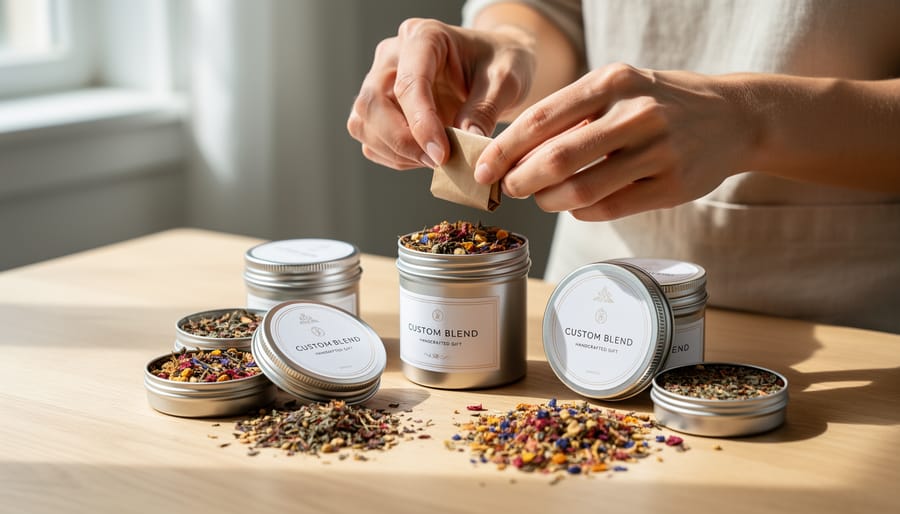
For gift-giving, consider transferring portions into small decorative tins or cellophane bags tied with ribbon. Include a handwritten label listing the ingredients, your blend name, and clear brewing instructions, typically water temperature and steeping time. These personal touches transform your creation into a thoughtful present perfect for afternoon tea pairings or cozy winter gatherings.
Once you’ve mastered a recipe, scale it up confidently using the same ratios. Experiment with seasonal variations, a spring version might swap warming spices for floral notes. Join online tea blending communities to exchange recipes, troubleshoot challenges, and discover inspiration from fellow enthusiasts worldwide. Your holiday blend crafting journey has just begun.
Classic Holiday Blend Recipes to Try
These proven recipes give you reliable starting points that showcase different flavor directions and base teas. Each formula has been tested for balance and can be adjusted to your taste once you understand the baseline.
Traditional Spiced Chai Blend: Combine 80% Assam or Ceylon black tea (about 1 cup loose leaf) with 2 tablespoons crushed cinnamon stick pieces, 1 tablespoon green cardamom pods (lightly crushed), 2 teaspoons whole cloves, 1 tablespoon dried ginger pieces, and 1 teaspoon black peppercorns. This robust blend works beautifully with milk and sweetener. Brew at 200°F for 4-5 minutes. The pepper adds subtle warmth without overwhelming heat, while cardamom provides the signature chai brightness. Tea masters note that crushing the cardamom just before blending releases more aromatic oils than using pre-ground powder.
Winter Citrus Sunrise Blend: Start with 75% Ceylon or Darjeeling black tea (lighter than Assam), add 15% dried orange peel (cut into small pieces), 5% dried lemon peel, 3% whole cloves, and 2% star anise pieces. This blend delivers bright, uplifting citrus notes with subtle spice undertones. Brew at 195°F for 3-4 minutes to prevent bitterness from the citrus oils. The combination creates a morning-appropriate holiday tea that isn’t heavy. Experts recommend using organic citrus peel to avoid pesticide residues since you’re infusing the peel directly.
Caffeine-Free Rooibos Holiday Chai: Mix 85% rooibos (about 1 cup), 2 tablespoons cinnamon pieces, 1 tablespoon dried apple pieces, 2 teaspoons vanilla rooibos or add 1 teaspoon vanilla bean pieces, 1 tablespoon honeybush (optional, for added sweetness), and 1 teaspoon ground nutmeg. This blend offers herbal tea benefits without caffeine, making it perfect for evening enjoyment. Brew at 200°F for 5-7 minutes. The natural sweetness of rooibos means less added sweetener is needed.
Green Tea Vanilla Almond Blend: Combine 80% sencha or China green tea, 10% slivered almonds (lightly toasted), 5% vanilla bean pieces or vanilla rooibos, 3% dried coconut flakes, and 2% white chocolate chips (optional, for gifting rather than long-term storage). Brew at 175°F for 2-3 minutes only, green tea becomes bitter with higher temperatures or longer steeping. This delicate blend appeals to those who find spiced blends too assertive. The almond adds subtle nuttiness without overpowering the green tea’s natural vegetal notes.
How to Check Your Work
A successful holiday tea blend reveals itself through both immediate sensory cues and how it performs over multiple steepings. Your blend is ready when the dry leaf releases a balanced, inviting aroma, no single spice should dominate or smell harsh. When brewed, the liquor should display a clear, vibrant color appropriate to your base tea, free from cloudiness or sediment.
The first sip tells you everything. A well-crafted blend delivers layered flavors that unfold across your palate, warmth from spices, sweetness from natural ingredients, and the tea’s character shining through rather than being buried. The finish should be clean and pleasant, leaving you wanting another cup rather than reaching for water.
Brew the same blend at different times of day over three days. Consistent results indicate proper ingredient distribution and ratio balance. If flavors vary wildly or certain notes disappear entirely between batches, your mix needs better integration.
While professional tea blenders exist, most holiday blend adjustments can be resolved through the refinement steps outlined earlier. Consider consulting a tea professional only if you’re experiencing persistent off-flavors despite adjustments, suspect ingredient contamination, or plan to sell blends commercially and need food safety certification.
Common Questions About Holiday Tea Blending
Blending holiday teas raises practical questions, especially for first-time crafters. Here are answers to the most common concerns you’ll encounter when creating your own festive blends.
Can I use fresh ingredients instead of dried?
Fresh ingredients introduce moisture that shortens shelf life dramatically and can promote mold growth in stored blends. Stick with dried spices, herbs, and fruits for blends you plan to keep beyond a day or two.
How long will my finished blend stay fresh?
Most holiday tea blends maintain peak flavor for three to six months when stored properly in airtight containers away from light and heat. Blends with dried citrus peel tend to fade faster, while those based on hardy spices like cinnamon and cloves last longer.
Can I mix different types of tea in one blend?
Yes, but be mindful of steeping requirements, black tea needs boiling water while green tea prefers cooler temperatures. If combining them, use the lower temperature to avoid bitterness in the green tea, though the black tea may not fully develop.
What if my blend tastes too strong or too weak?
Adjust the tea-to-spice ratio rather than steeping time first. Too strong usually means you’ve added too much spice relative to base tea; blend in more tea leaves to dilute. Too weak means increasing spices slightly or ensuring you’re using enough blend per cup when brewing.
The question of batch size depends on your confidence level and how quickly you’ll use the blend. Start with 50 to 100 grams total, enough for multiple tastings and adjustments without waste if the formula needs work. Once you’ve perfected a recipe, scale up to 200 or 300 grams for gift-giving or personal enjoyment through the season.
Some ingredients genuinely clash or create unpleasant results. Avoid mixing mint with delicate floral notes, as mint overwhelms subtler flavors. Don’t combine competing strong spices like fennel and cloves in equal amounts, one should lead while the other supports. Never add ingredients not labeled food-grade, and skip anything with essential oils unless specifically intended for culinary use, as concentrated oils can irritate your digestive system and overpower the tea completely.
Crafting your own holiday tea blends transforms a simple cup of tea into a personal creative statement. You’ve learned the fundamentals, from selecting quality base teas to balancing spices and verifying your results. Now comes the most rewarding part: making these techniques your own.
Each blend you create teaches you something new about flavor interaction, ingredient proportions, and your own palate preferences. Don’t hesitate to experiment beyond the recipes provided here, but keep those traditional flavor combinations in mind as your foundation. The wisdom embedded in classic chai spice ratios or European winter tea traditions exists for good reason.
Your blending skills will sharpen with every batch. What feels uncertain today becomes intuitive after a few iterations. Keep detailed notes, taste thoughtfully, and trust your developing instincts.
The global tea community offers endless inspiration, from Japanese roasted rice teas to Middle Eastern mint combinations to South American yerba mate traditions. Each culture brings unique perspectives on seasonal flavors worth exploring.
Share your successful blends with fellow tea enthusiasts, whether through gifting, online communities, or casual tastings with friends. The joy of a well-crafted holiday tea doubles when experienced together. Your next perfect blend awaits in your kitchen.